9 hr
Cotopaxi National Park Day Trip with Andean Hiking Adventure
- Expert local guide
- Small group
- Skip-the-line access
- Free cancellation
Cotopaxi National Park Hiking Tour – Andean Trails & Volcano Treks
Páramo trails to glacial refuge, where condors trace the cone
Compare fares, pick the fit — all bookings are mobile-voucher and eligible for free cancellation where shown.
9 hr
10 hr
11 hr
Visitors planning a cotopaxi national park hiking tour can access the reserve daily at no charge, though mandatory registration with a valid ID is required at the park gate. This high-altitude Andean site serves as a premier destination for those seeking to experience iconic volcano landmarks.
| General Access Refuge & Summit Tours | Refuge & Summit Tours Guided Mountaineering | |
|---|---|---|
| Entry Fee | 0 USD | 0 USD |
| Registration | Mandatory with ID | Mandatory with ID |
| Access Level | Lagoon & Trails | Refuge & Glaciated Summit |
| Guide Requirement | Not required | Required for summit |
| Best for | First-timers | Experienced climbers |
Verdict: Choose General Access for flexible self-guided exploration, or opt for professional cotopaxi national park hiking tour tickets if your objective includes reaching the glaciated peak.
Worth it for high-altitude scenery seekers
A cotopaxi national park hiking tour delivers unmatched Andean volcano access at free park entry—you pay only for guided transport and expertise, typically $50–90 per person for full-day excursions from Quito. Tours navigate the páramo ecosystem around the 5,897m stratovolcano, reaching Limpiopungo Lagoon and the José Rivas Refuge at 4,800m, where condors circle overhead and the glaciated cone dominates. The value equation favors first-timers without high-altitude vehicles: guides handle acclimatization pacing, weather routing, and park logistics while you focus on the volcanic landscape. Independent visits save money but require 4WD, early starts to beat cloud cover by 10:00, and confidence at thin-air elevations. Combo tours pairing Cotopaxi with Quilotoa Crater Lake stretch the day to 12+ hours yet showcase two iconic Ecuadorian highlands in one logistics-efficient loop.
Bottom line: If you lack a 4WD or altitude experience, guided Cotopaxi national park hiking tour tours turn logistical barriers into seamless volcano access worth every dollar.
They complement each other; most visitors who do both call the Quilotoa loop the more physically grueling adventure, while the Cotopaxi national park hiking tour offers a more iconic volcanic summit experience.
|
Top pick Cotopaxi |
Quilotoa Crater Lake | |
|---|---|---|
| Primary Feature | Glacial volcanic cone | Emerald caldera lake |
| Physical Effort Level | Moderate to high | High (steep descent and ascent) |
| Altitude Intensity | Very high (above 4,500m) | High (up to 3,900m) |
| Landscape Focus | Alpine paramo and glaciers | Geological crater basin |
| Ideal Visitor Type | Climbers and photographers | Trekkers and cultural enthusiasts |
| See tickets & prices |
Verdict: Choose the cotopaxi national park hiking tour tours for high-altitude glacial landscapes, or select the caldera trek if you prefer a lower-altitude hike with cotopaxi national park hiking tour tickets providing access to diverse regional terrain rather than specific cotopaxi national park hiking tour tour pathways.
Hand-picked experiences loved by thousands of travelers
11 hours
Free Cancellation
Journey through Ecuador's Avenue of Volcanoes to explore a towering peak and a stunning turquoise crater lake
5 hours
Free Cancellation
Explore Ecuador's iconic snow-capped volcano, meet alpacas, and hike around a stunning high-altitude lagoon
2 hours
Free Cancellation
Trek to a mountain refuge and cycle past volcanic landscapes on this full-day excursion from Quito
6 hours
Free Cancellation
Scale an active volcano to nearly 5,000 meters and explore a high-altitude lagoon in Ecuador's dramatic national park
9 hours
Free Cancellation
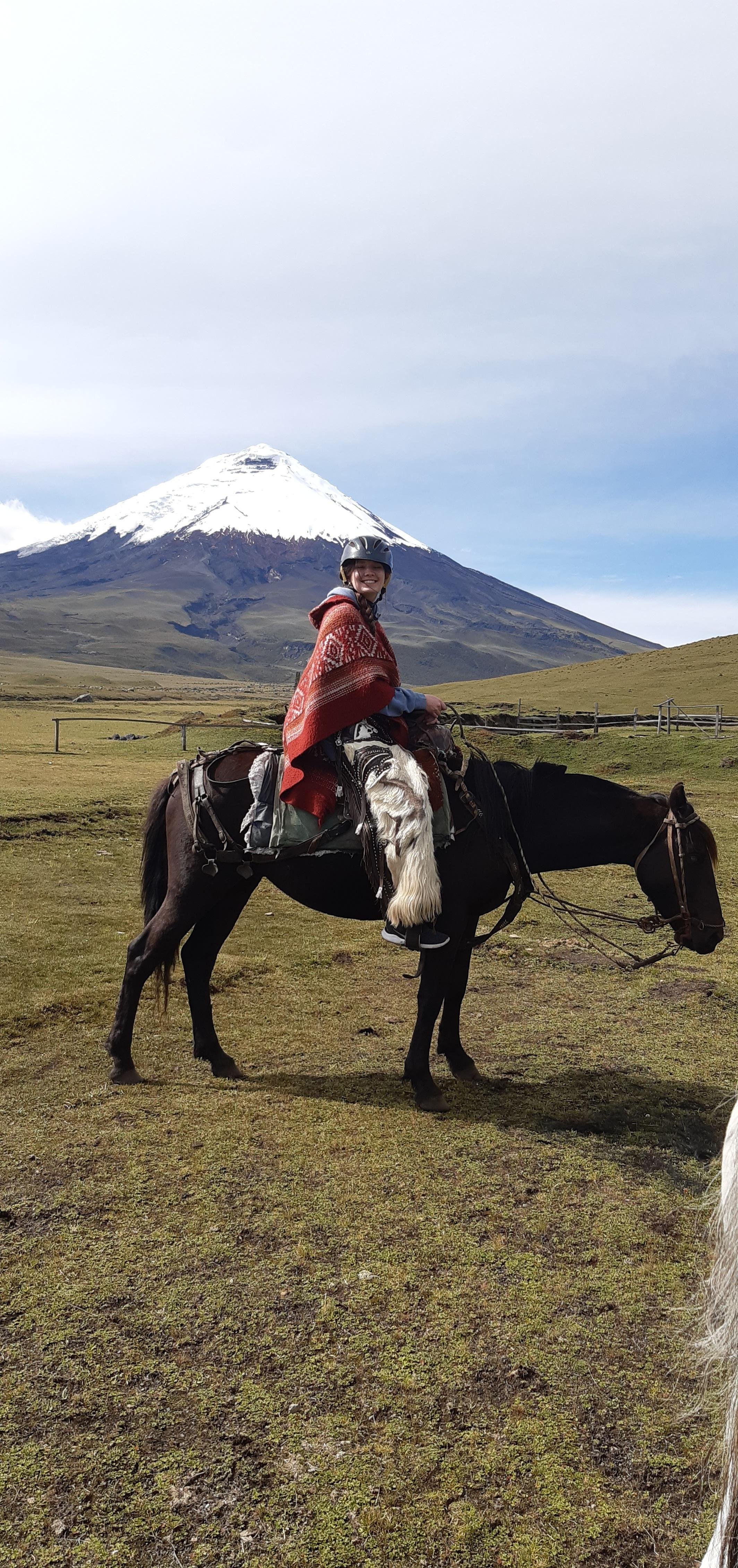
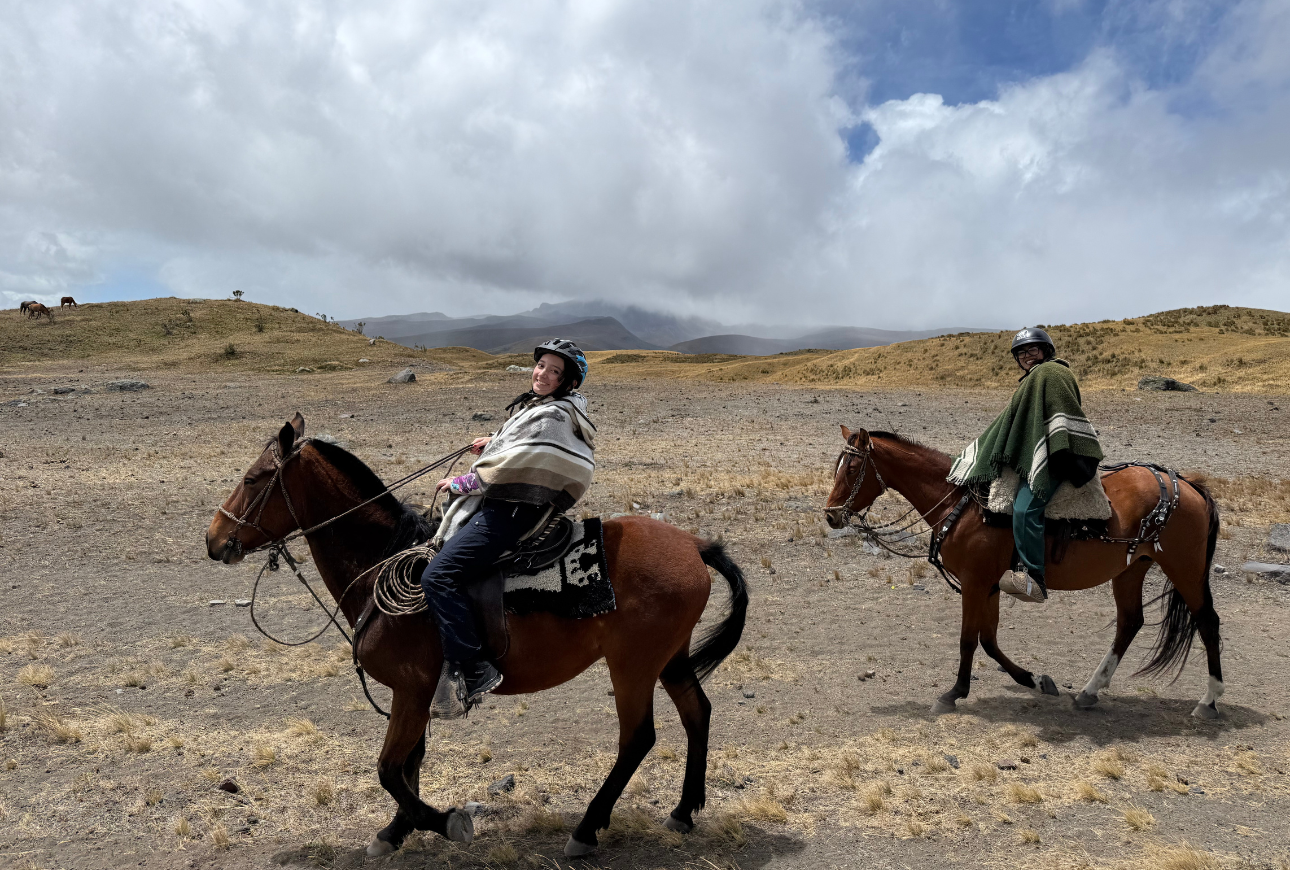
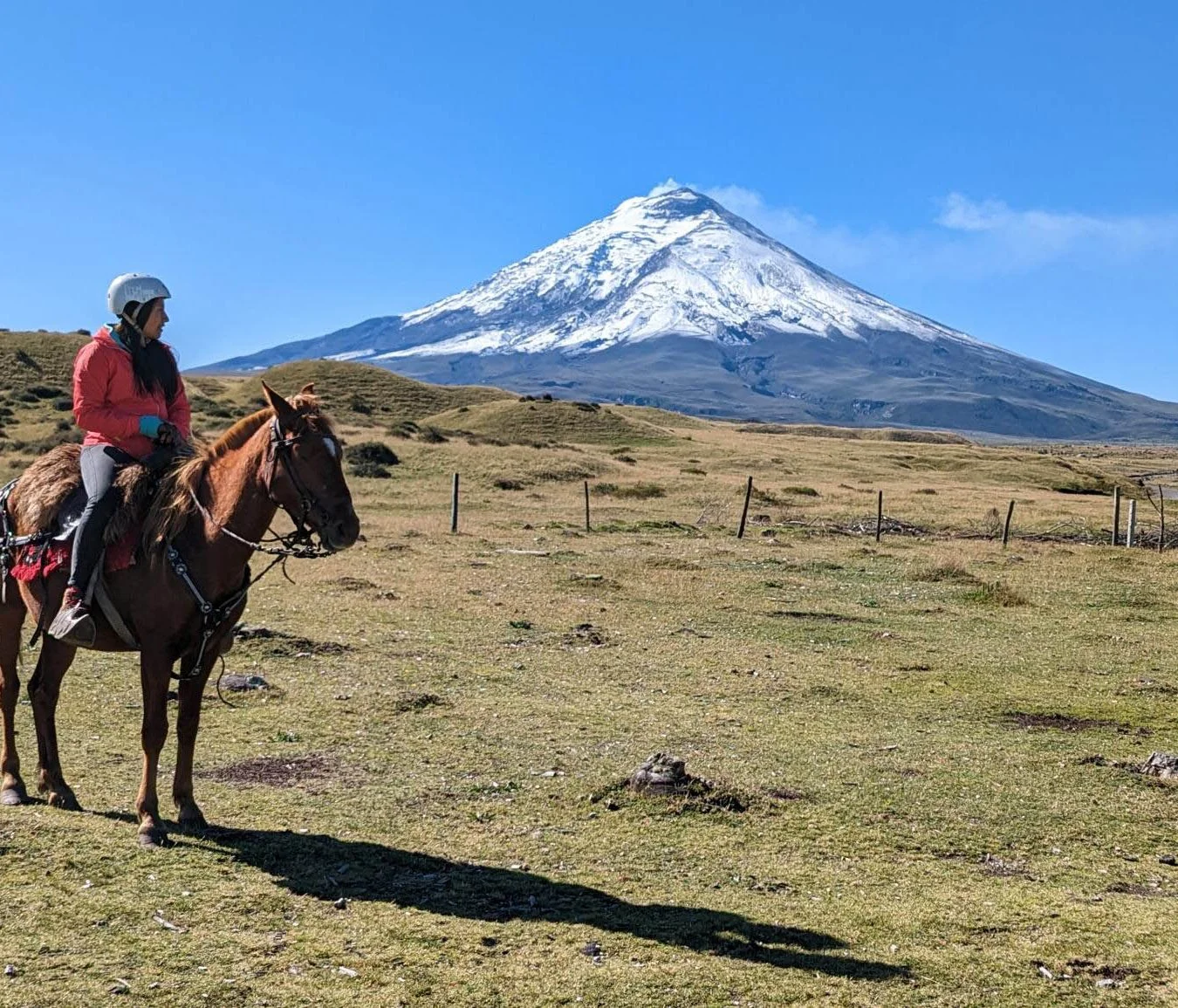
Explore Ecuador's iconic volcano on horseback and trek to a mountainside refuge at nearly 16,000 feet
10 hours
Free Cancellation
Journey to one of Earth's tallest active volcanoes, hike to a high-altitude refuge, and explore pristine Andean landscapes
7 hours
Free Cancellation
Ascend to 5,000 meters on Ecuador's iconic volcano with scenic Andean vistas and wildlife encounters
9 hours
Free Cancellation
Ride through volcanic landscapes dressed as an Ecuadorian cowboy on this full-day private expedition
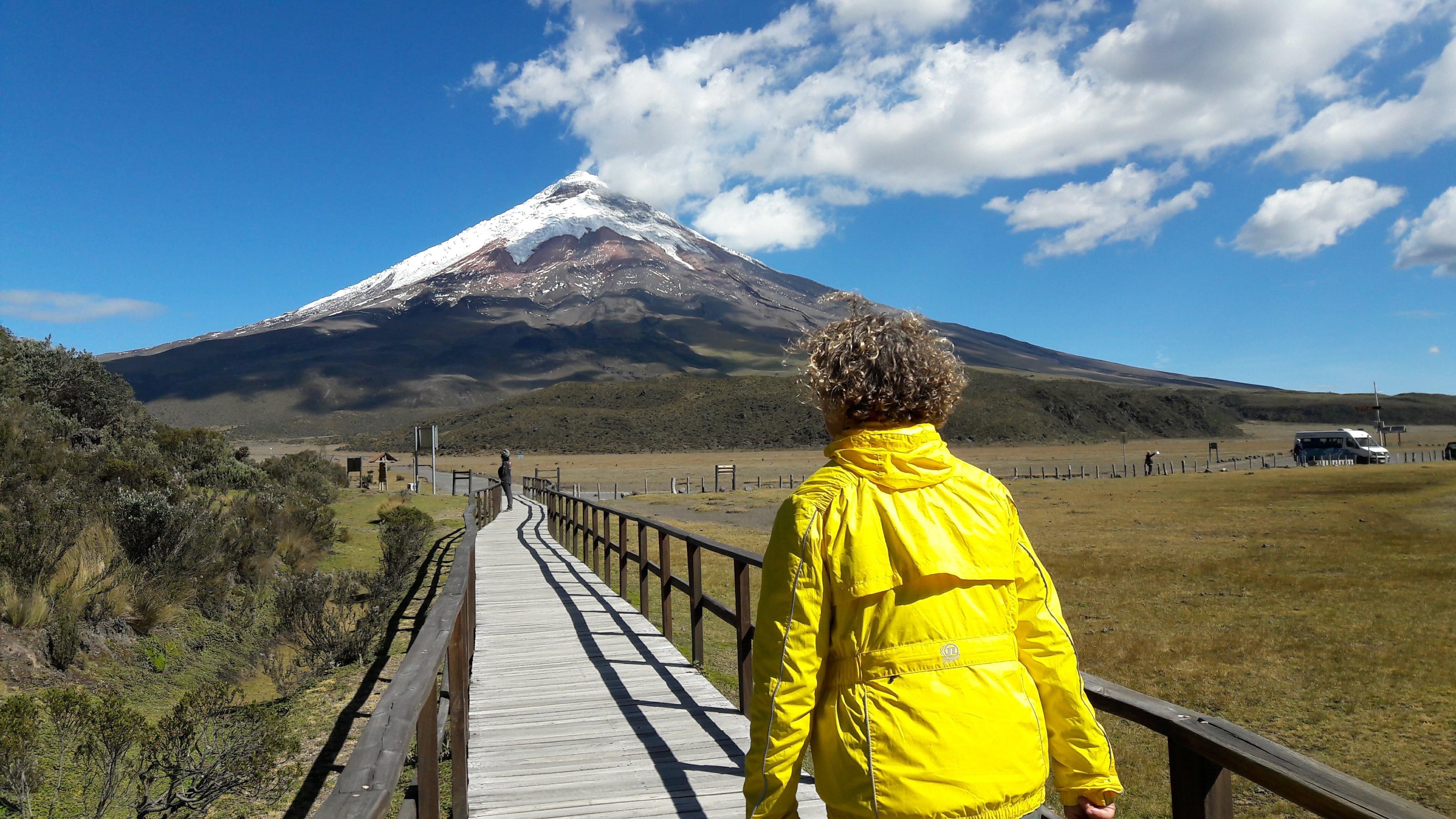
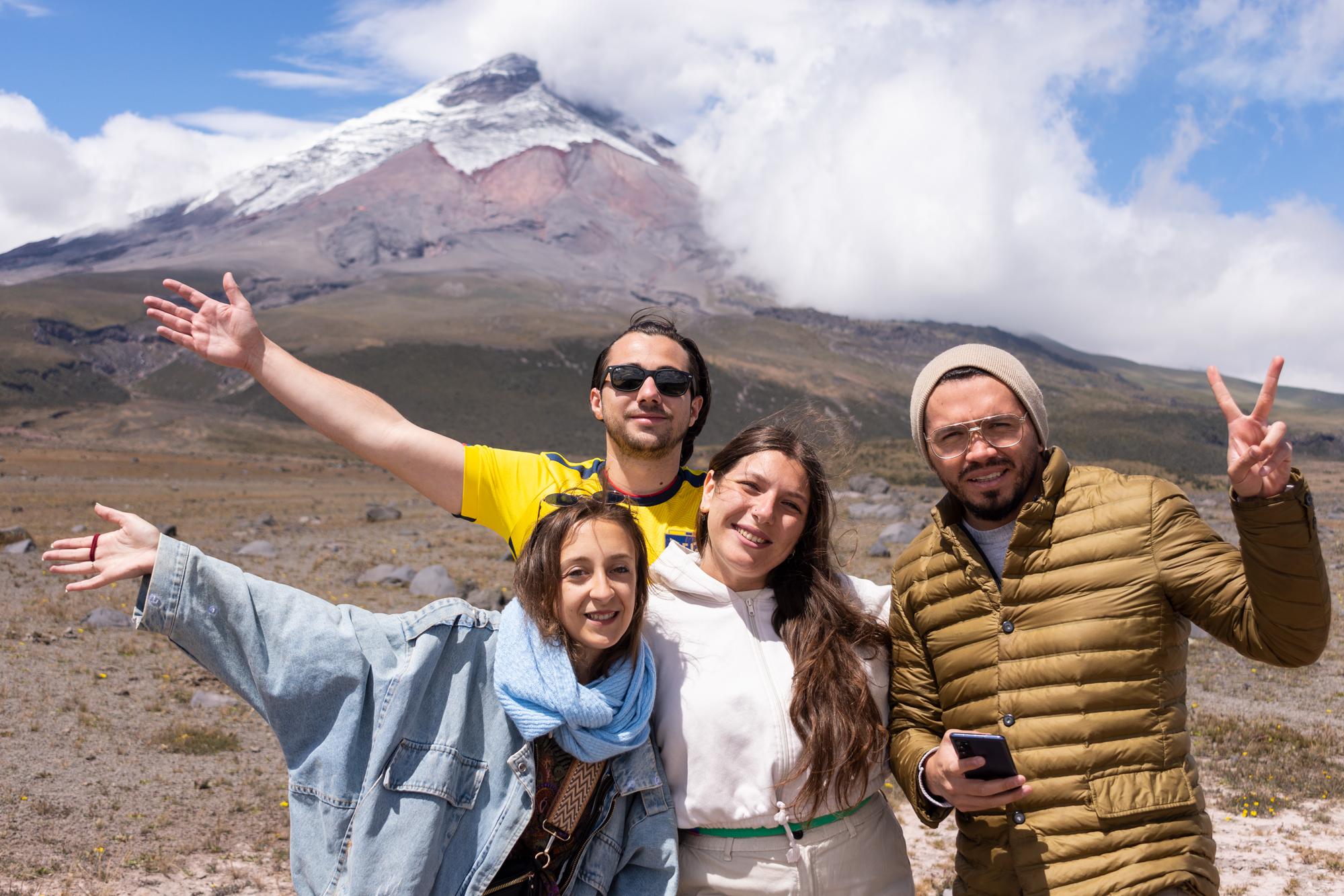
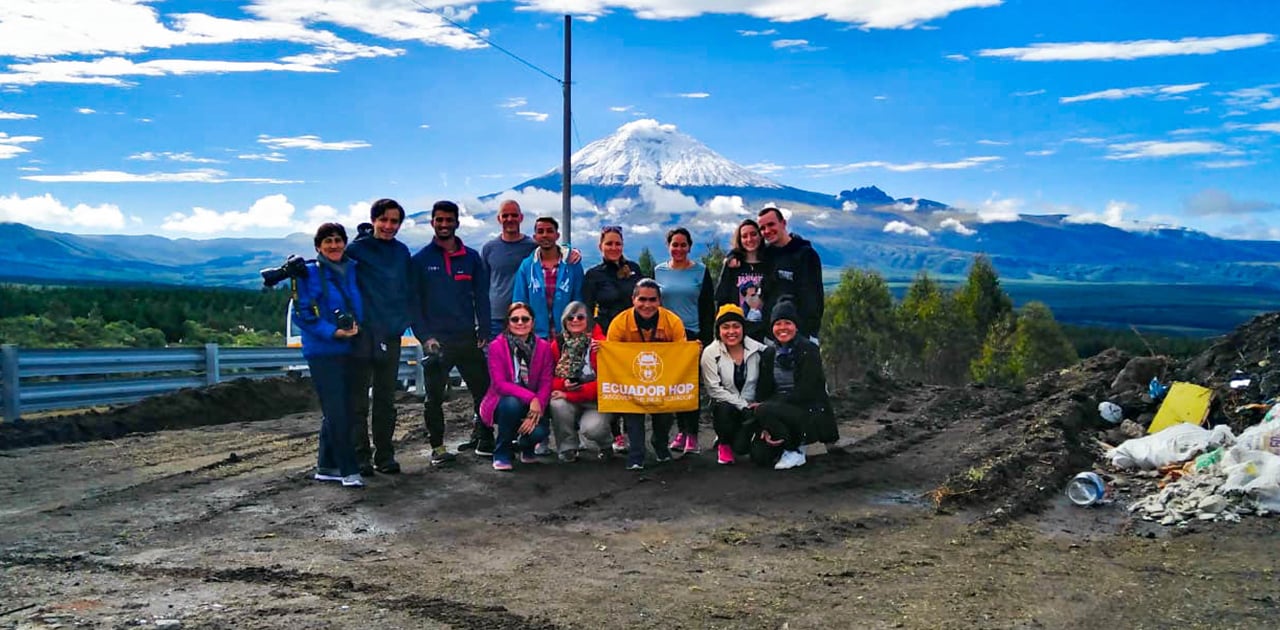
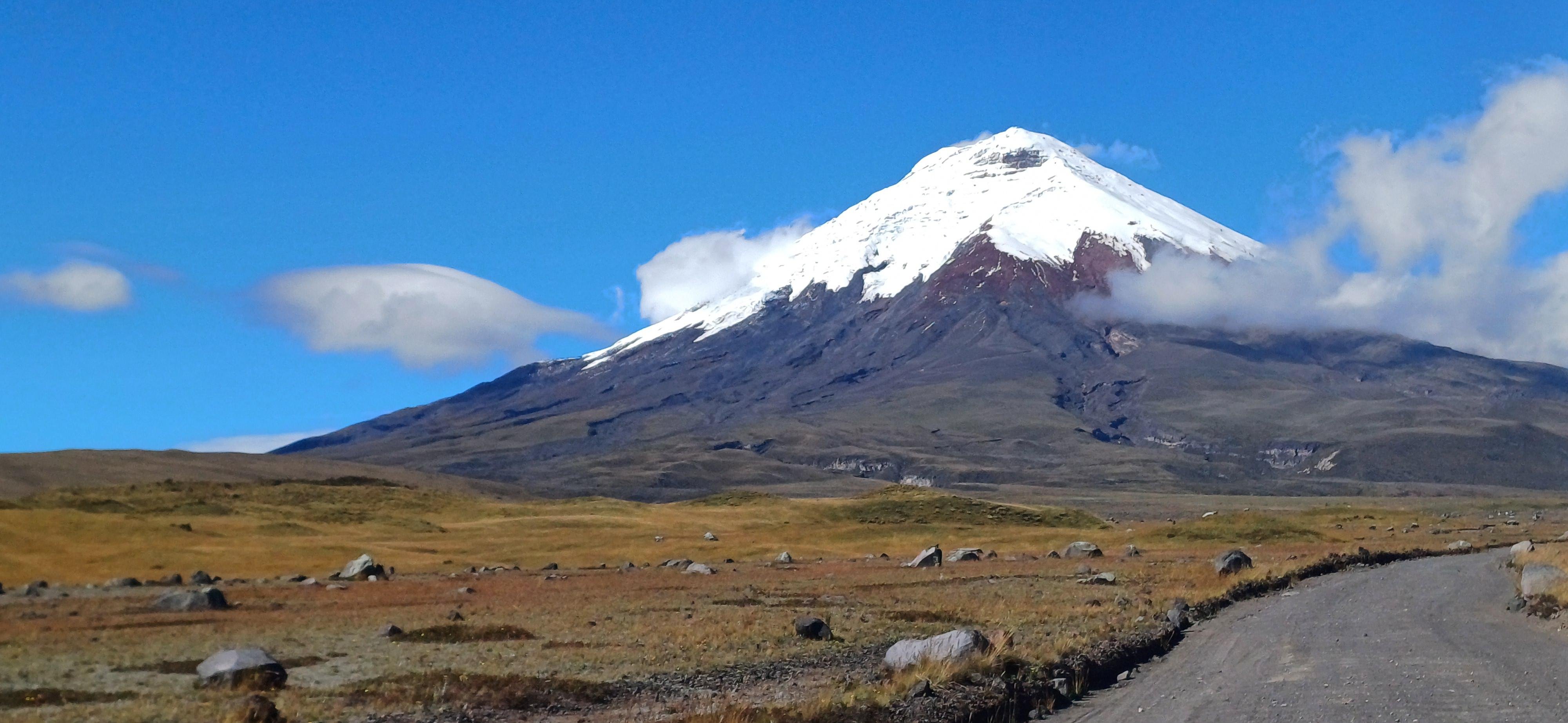
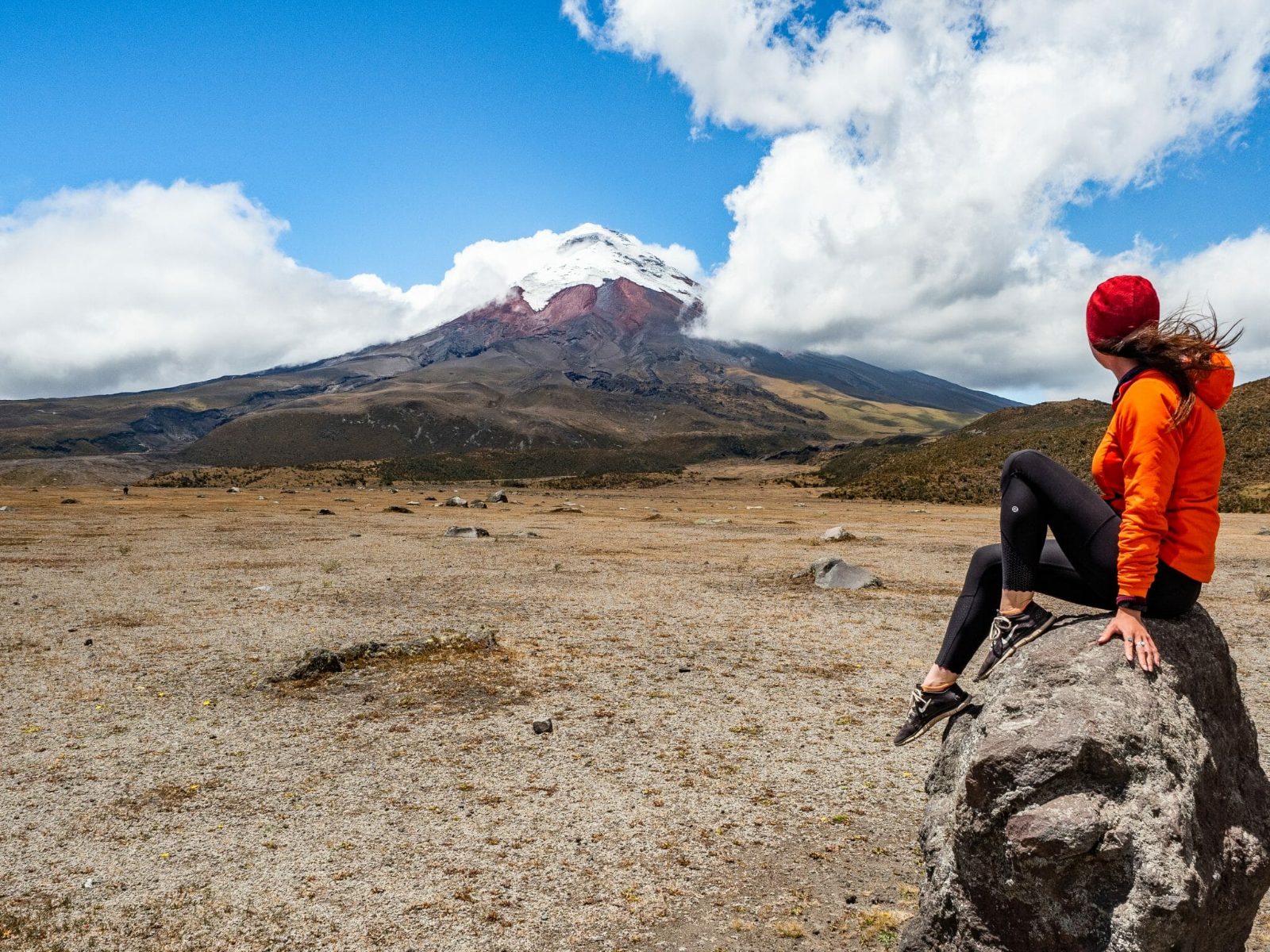
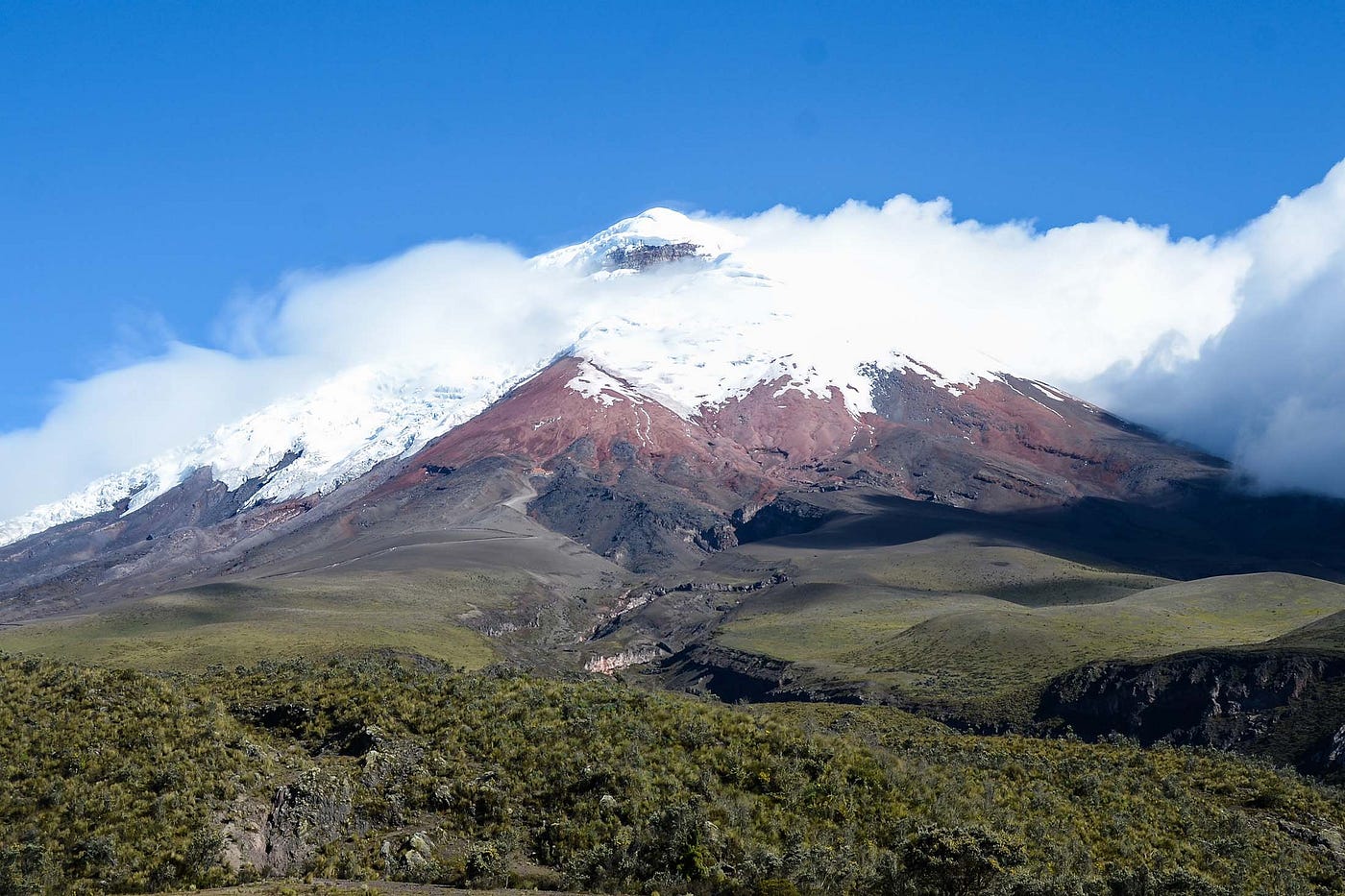
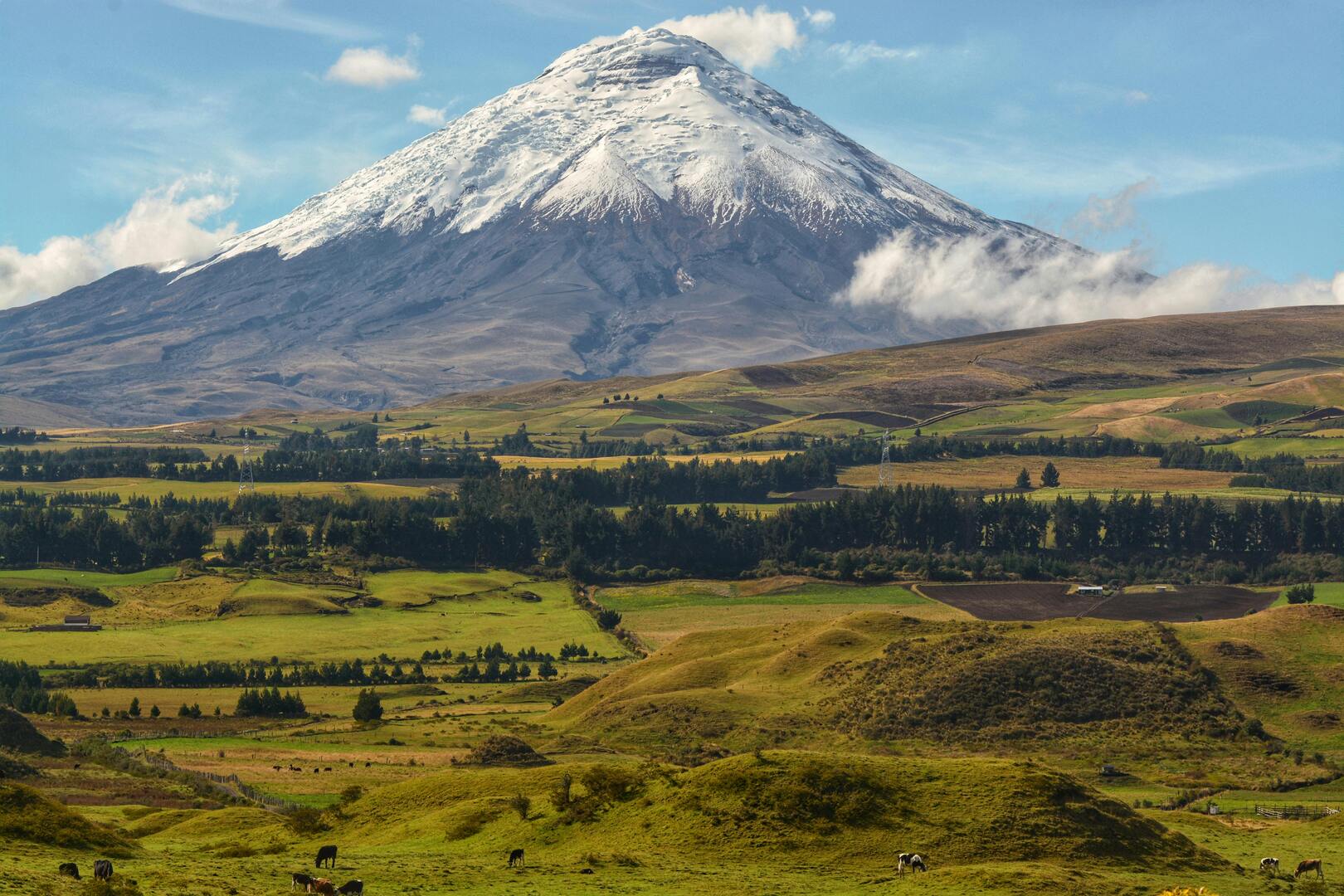
This stratovolcano is the crown jewel, reaching 5,897 meters with a symmetrical, snow-capped cone. It remains one of the highest active volcanoes in the world.
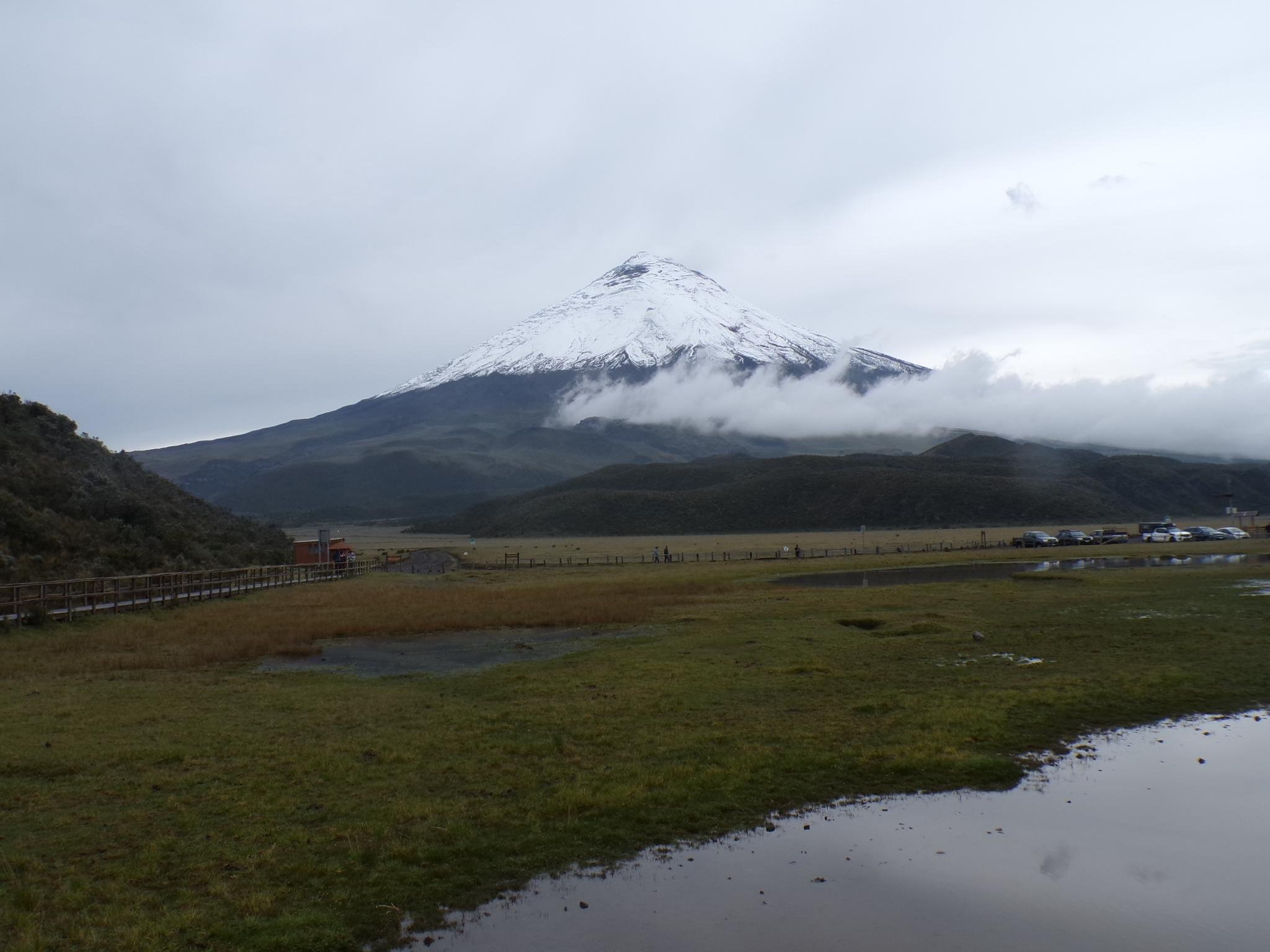
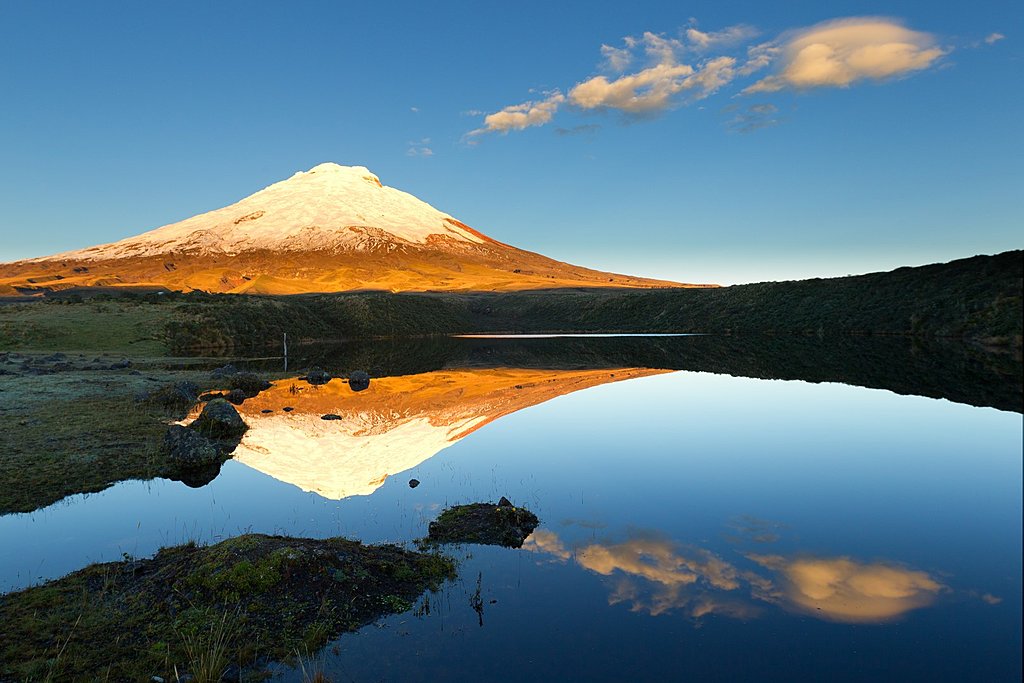
A high-altitude glacial lake at 3,800 meters that provides iconic reflections of the surrounding peaks. It is a premier location for bird watching and calm photography.
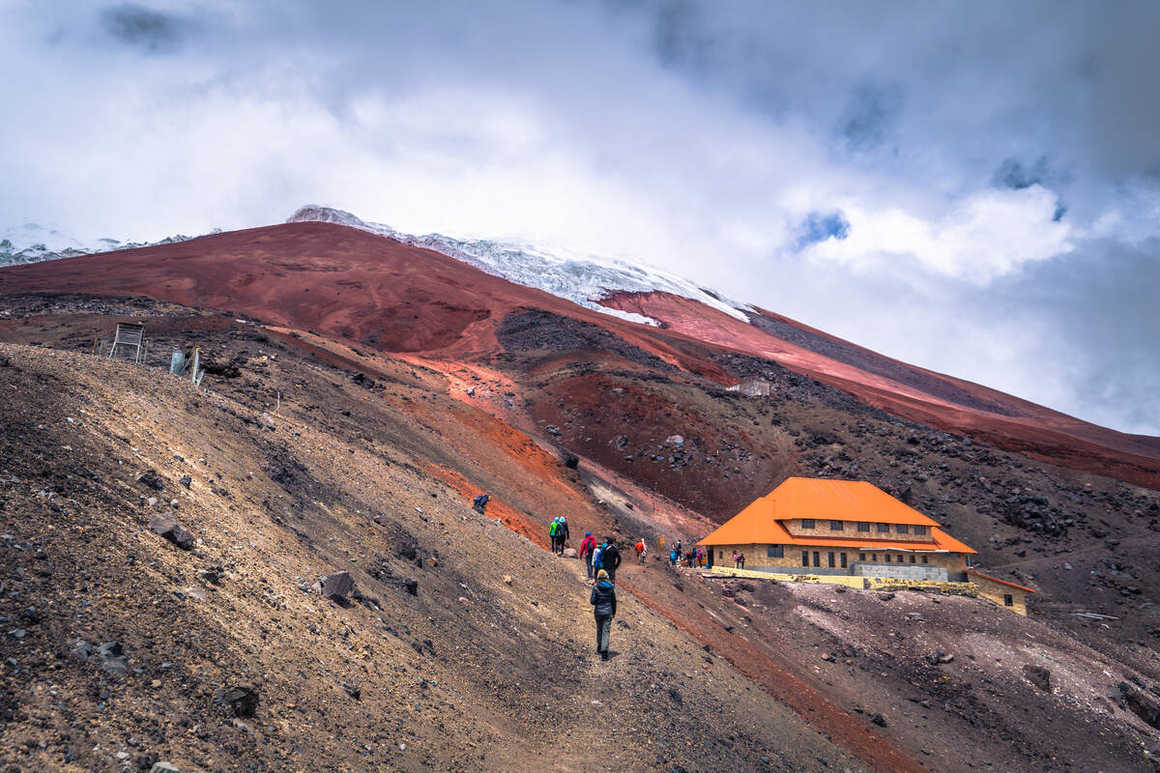
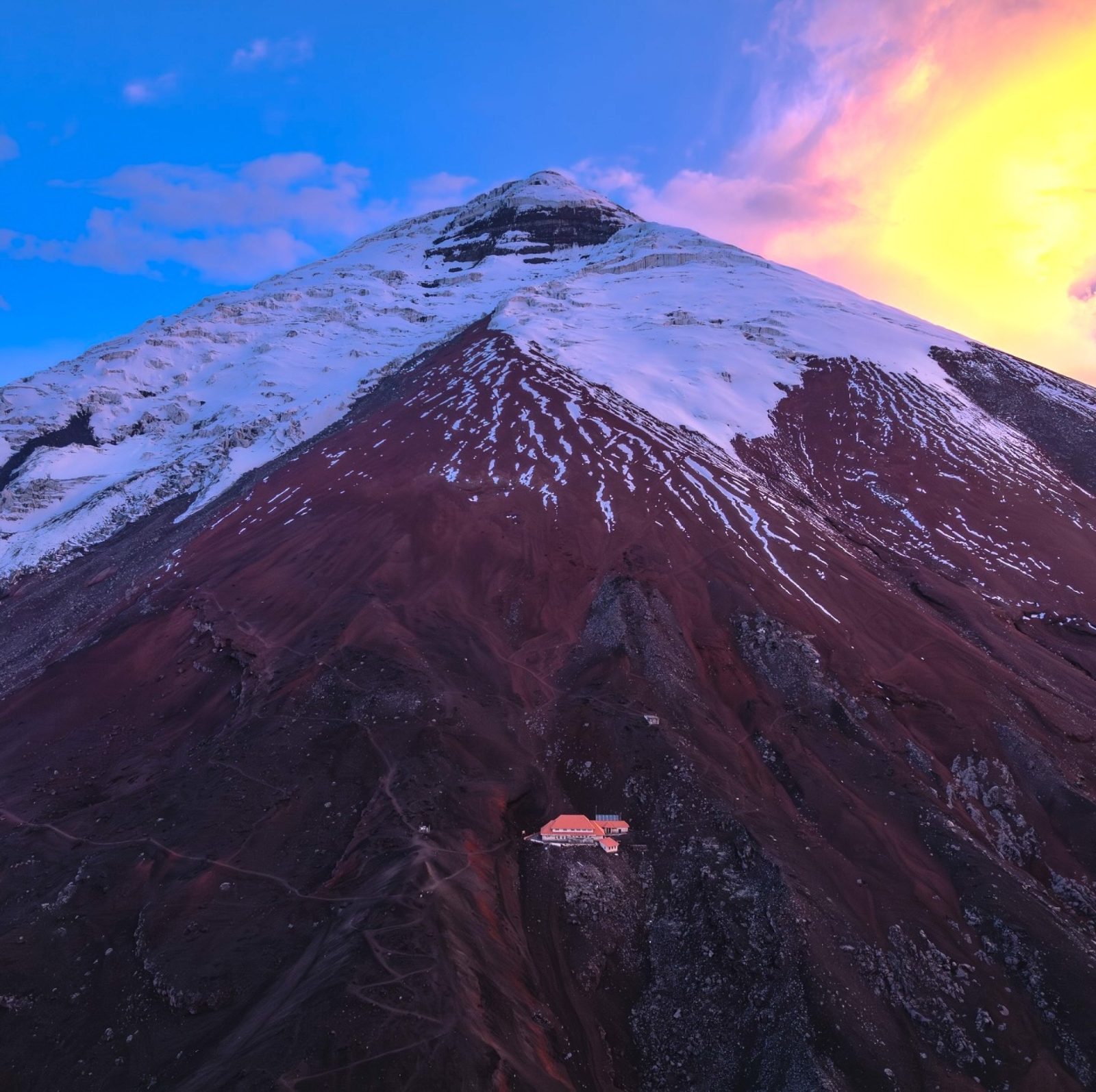
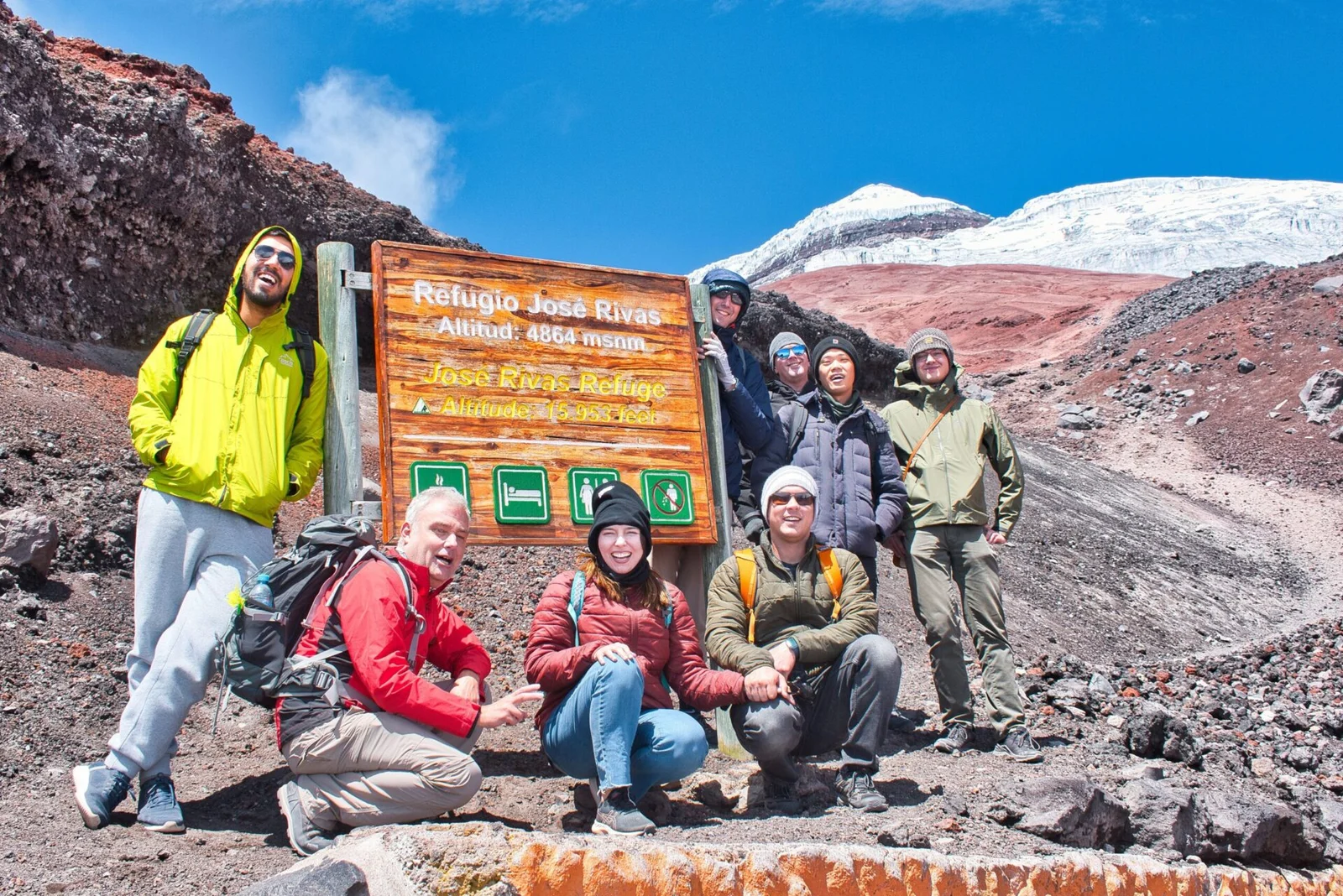
Situated at 4,500 meters, this hut serves as a high-altitude basecamp and acclimatization stop for mountaineers. It offers sweeping views across the páramo.
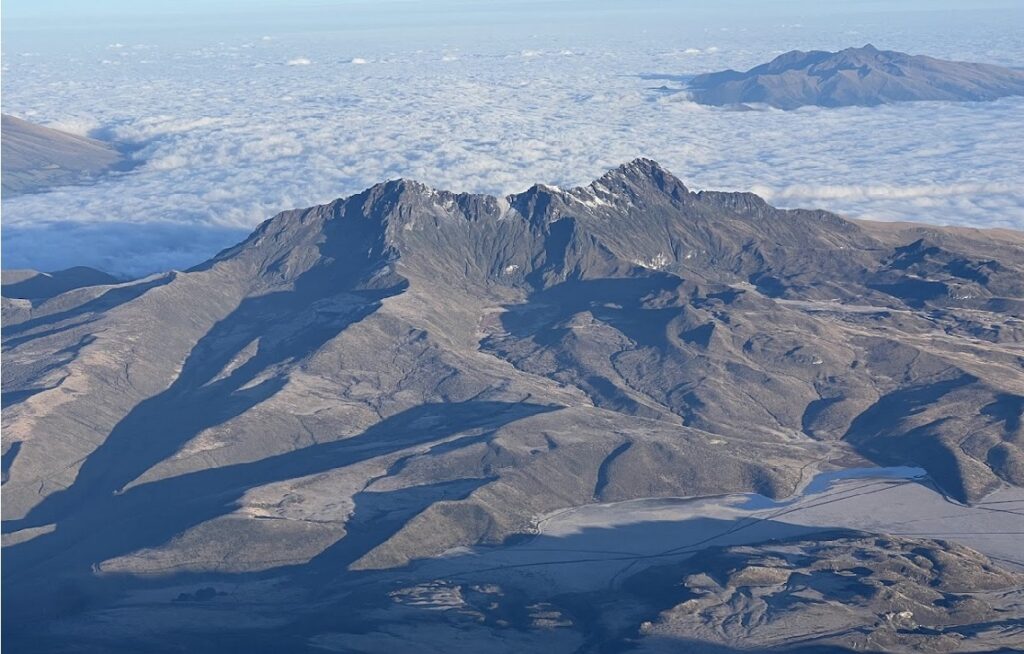
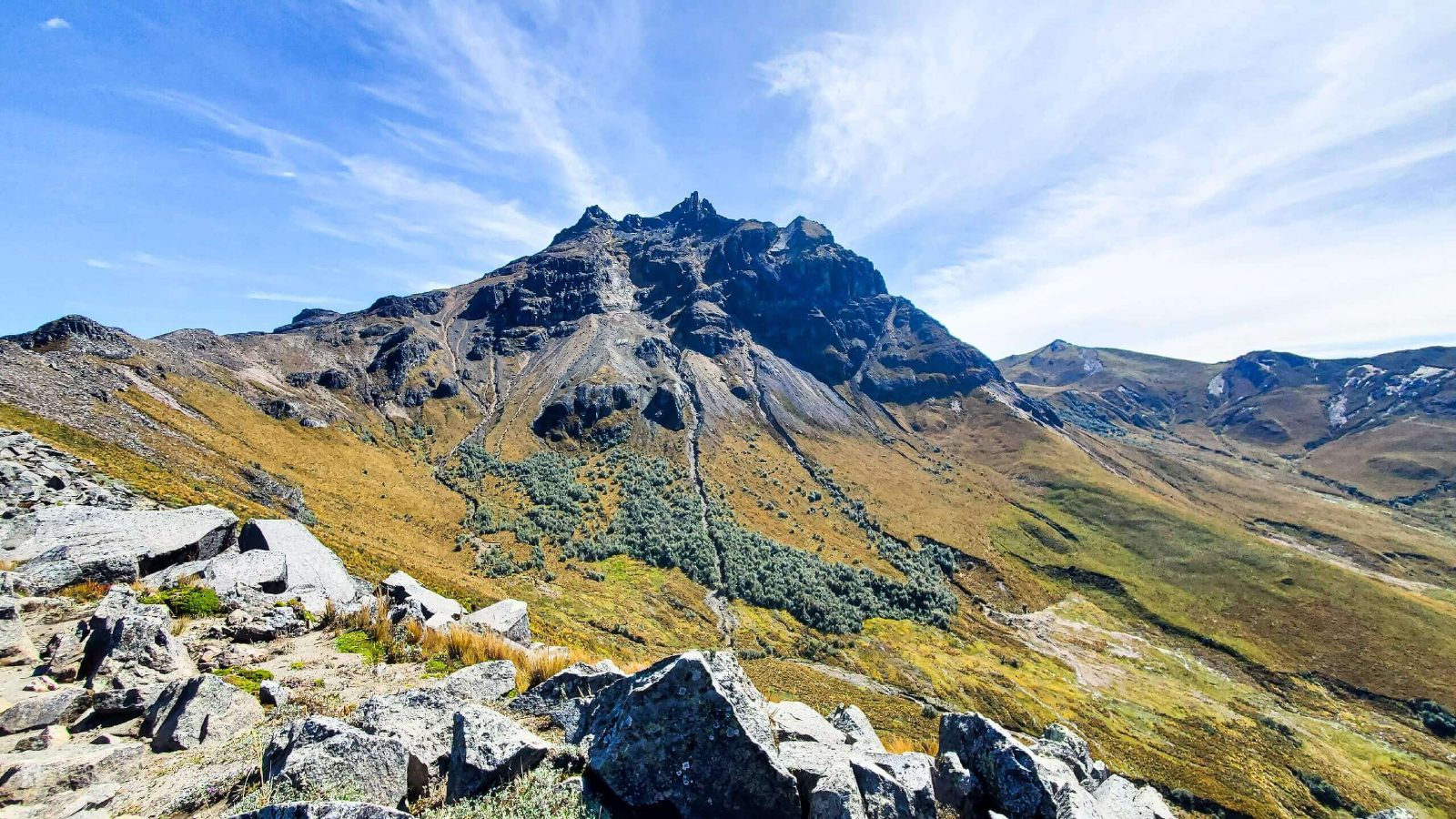
An ancient, dormant peak offering a challenging alternative to the main volcano. Its three peaks provide varied terrain for those seeking less crowded paths.
A historical volcanic site located in the southern part of the park, known for its distinct shape and isolation from the main tourist trail.
You register at the north gate at half past eight, handing your passport to the ranger who logs your details in a ledger thick with previous entries. The paved road climbs through Andean pine stands planted decades ago, their trunks black where fire swept through in dry years.
You reach the Limpiopungo Lagoon parking area at 3,800 metres and step onto volcanic sand. The three-kilometre loop trail crosses boardwalks over wetland grasses; alpacas lift their heads as you pass, their wool heavy with morning dew. Andean gulls wheel above the water. The cone fills the southern sky, its glacial bands sharp in the early light.
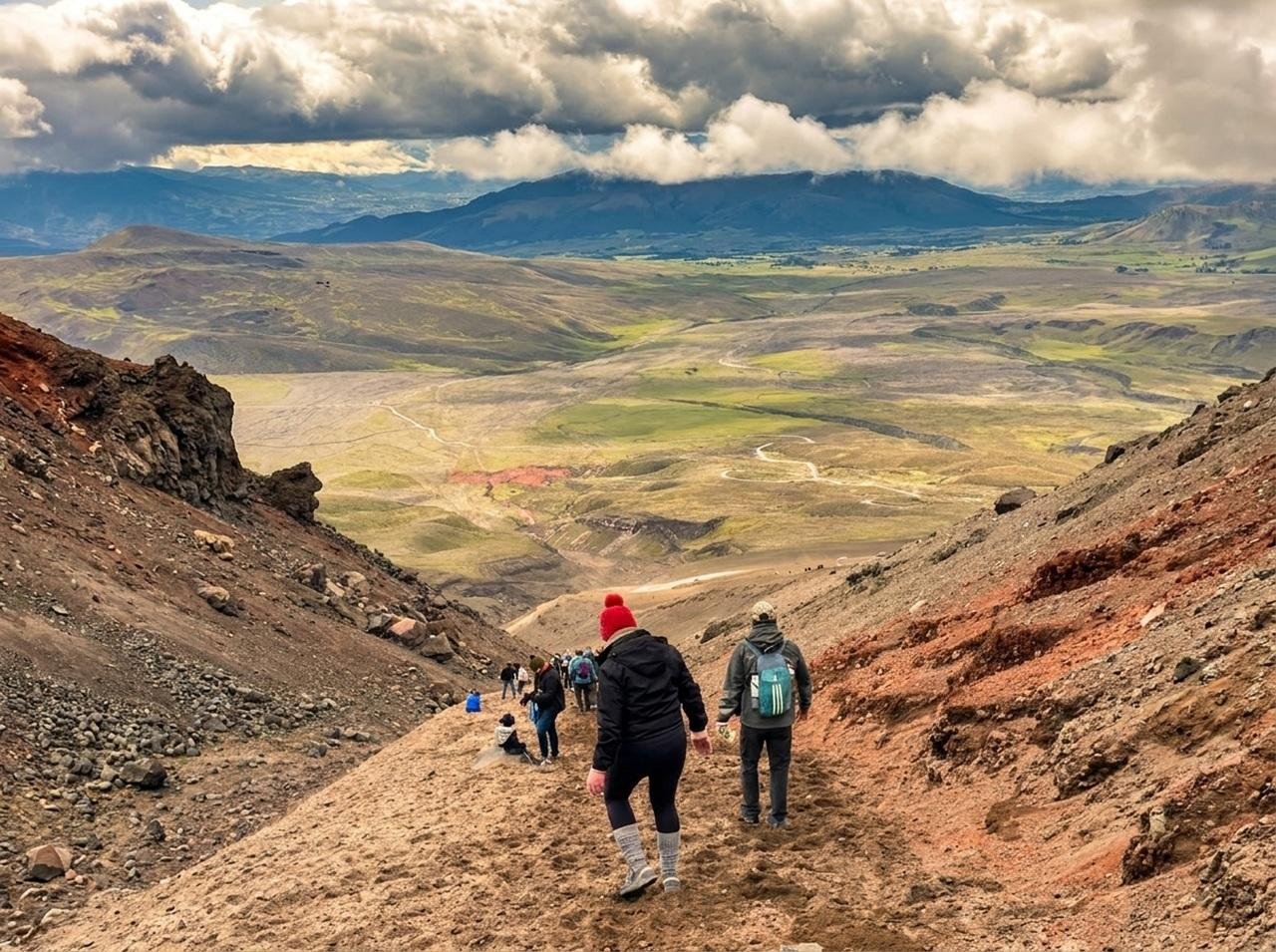
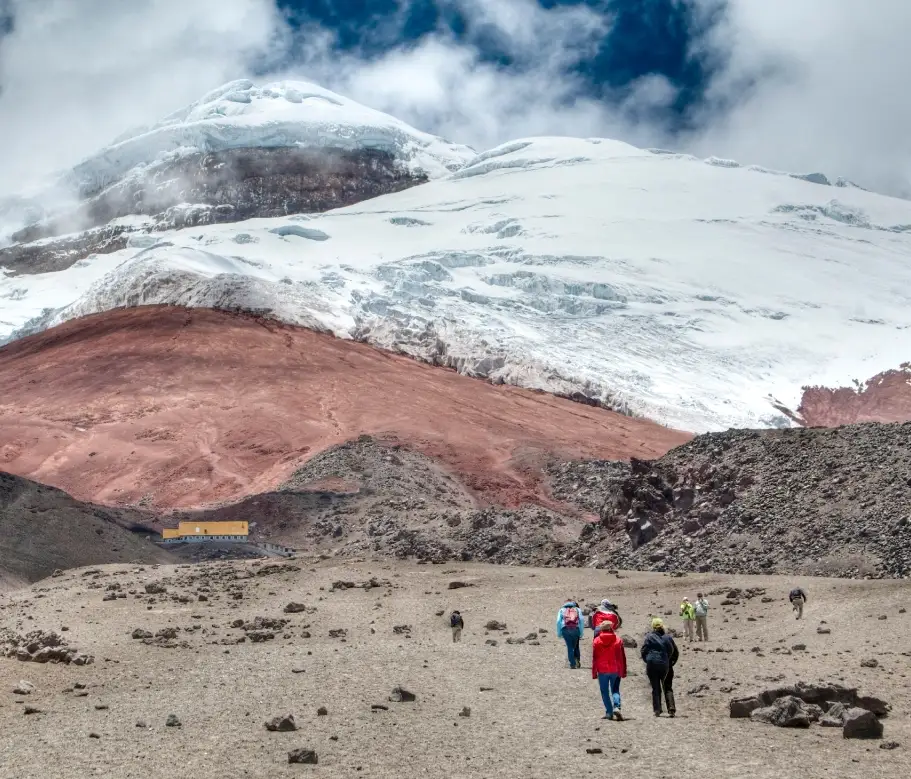
You continue by vehicle to the Padre Rivas parking area at 4,500 metres, where the paved surface ends. The final ascent to the José Rivas Refuge follows a sandy track that switchbacks across loose scree. You count your breaths — three steps, inhale; three steps, exhale. The refuge appears after forty minutes, a red-roofed hut clinging to the ridge at 4,864 metres. You rest on the stone wall outside, watching climbers adjust crampons for the glacier route. The air tastes thin. Wind carries the faint sulfur scent of fumaroles higher up. Below, the páramo spreads in tawny folds toward Latacunga, its fields geometric against the cordillera's curve.
All the details about your upcoming adventure in one place
Cotopaxi rises 5,897 metres above the Avenue of Volcanoes, a near-perfect cone that has erupted more than fifty times since 1738.
The stratovolcano anchors Ecuador's oldest continental national park, established in 1975 across 33,393 hectares of páramo grassland, glacial meltwater streams, and Andean pine plantations introduced in the 1980s. Alexander von Humboldt sketched its symmetry in 1802; Simón Bolívar's troops camped on its lower flanks during the wars of independence. The name derives from Quechua — koto meaning neck, paksi meaning moon — though colonial Spanish chronicles recorded it as Cotopaxi by 1534.
Today the park welcomes trekkers who follow graded trails from the Area Nacional de Recreación El Boliche entrance at 3,400 metres to the José Rivas Refuge at 4,864 metres. The Limpiopungo Lagoon trail loops three kilometres across cushion-plant wetlands where Andean gulls and carunculated caracaras forage. Wild horses descended from hacienda stock graze the tussock grass. Alpacas reintroduced in the 1990s cluster near the Mariscal Sucre museum, a stone lodge built in 1937 as a mountaineering base. Cotopaxi national park hiking tours typically combine the refuge ascent with visits to Quilotoa, a water-filled caldera 60 kilometres south, or extend into multi-day acclimatisation circuits for summit attempts. Guided Andean hiking adventures depart Quito before dawn to reach the park's north gate by eight o'clock, when the glacier remains visible.
The volcano's glacial cap has receded 30 per cent since 1976. Scientists from the Instituto Geofísico monitor seismic tremors through a network installed after the 2015 eruption, which closed the park for five months and deposited ash across Latacunga. The refuge hike gains 1,100 metres over unstable scree; crampons and ice axes are mandatory above 5,000 metres. Non-technical trekkers navigate páramo routes where Chuquiraga shrubs bloom orange in the dry season and spectacled bears leave claw marks on polylepis trees. The park's elevation — base camp sits higher than Mont Blanc's summit — demands slow pacing. Registration at the gate records every entry; rangers require passport details and departure times. Cotopaxi remains active, its fumaroles visible from the refuge on clear mornings when the Pacific wind has not yet carried cloud across the cordillera.

The volcano's glacial cap has receded 30 per cent since 1976.
Dress in layers to manage the cold high-altitude environment. Sturdy waterproof hiking boots are essential for uneven, rocky, or muddy terrain.
Security is enforced at park gates where registration is mandatory. Keep your passport or government ID accessible as rangers perform random checks.
The landscape offers expansive vistas of the Cotopaxi volcano and surrounding páramo. Avoid drones without specific national park authorization.
The park is suitable for older children and active families comfortable with altitude. Ensure kids have adequate sun protection and water for every cotopaxi national park hiking tour.
While the park contains many accessible viewpoints, the high altitude affects most visitors. Trails vary from flat lagoon paths to steep mountain climbs.
There are no major shops inside the reserve. Bring sufficient water and snacks to support your energy levels during any cotopaxi national park hiking tour excursion.
Opening Hours
08:00–15:00
Address
Cotopaxi National Park, Cotopaxi Province, Ecuador
Registration
Mandatory with passport or ID at the gate
Best Arrival
08:00–10:00
Storage
Not available inside the park
Official Site
https://www.ambiente.gob.ec
Entry is free, so there is no conservation fee to reclaim. Third-party tour operators set their own cancellation terms; please check individual agreements.
Recommended time
Half a day to full day
Planning your cotopaxi national park hiking tour requires arriving during the best arrival window: 08:00–10:00. This early start ensures you experience the volcanic landscape and high-altitude flora before clouds typically descend. While you do not need to worry about cotopaxi national park hiking tour tickets for entry, registering at the gate is mandatory, which can create brief queues during peak hours. A half-day visit covers the primary mountain trails, whereas a full-day itinerary allows for a more comprehensive Cotopaxi volcano excursion.
Crowd levels through the day
Cotopaxi National Park was established on August 11, 1975, making it one of Ecuador's oldest protected areas and the first mainland national park in the country. The designation came after decades of unregulated grazing and hunting had degraded the páramo ecosystem surrounding the active volcano. The park initially covered 33,393 hectares, later expanded to its current 33,393 hectares to protect critical watersheds feeding the Pastaza and Esmeraldas river basins. Early conservation efforts focused on removing introduced cattle and restoring native vegetation, though enforcement remained minimal through the 1980s. The 1877 eruption of Cotopaxi, which destroyed nearby settlements and sent lahars as far as the Pacific coast, remained in collective memory and shaped the park's dual mandate: ecological preservation and volcanic hazard monitoring. By the 1990s, mountaineering traffic to the 5,897-meter summit had grown substantially, prompting park authorities to formalize climbing routes and establish the José Rivas Refuge at 4,800 meters in 1971—decades before the park's official founding. The refuge burned down in 1996 and was rebuilt in 2005 with expanded capacity. Cotopaxi's most recent eruptive period began in August 2015, forcing a six-month park closure and evacuation of nearby communities. Ash columns reached 12 kilometers, and the government restricted access to zones above 3,800 meters until December 2015. The closure devastated the local guiding economy but accelerated infrastructure improvements: new visitor centers, paved access roads to Limpiopungo Lake, and a mandatory registration system introduced in 2016. Today, Cotopaxi National Park hiking tour options extend from single-day treks around the páramo to multi-day acclimatization circuits, all shaped by the volcano's persistent activity and the fragile high-altitude environment that surrounds it.
Spanish conquistadors first document Cotopaxi's violent eruptions during their advance into the Andes.
Major eruption destroys Latacunga and surrounding haciendas, killing an estimated 1,000 people and reshaping settlement patterns.
Ecuador designates Cotopaxi National Park, protecting 33,393 hectares of páramo and Andean forest.
José Rivas Refuge destroyed by fire; climbers forced to bivouac until reconstruction begins in 2003.
Cotopaxi reawakens after 138 years of dormancy, triggering a six-month park closure and ash evacuations.
Park reopens with new altitude restrictions and mandatory visitor registration to manage volcanic risk.
Pandemic closures followed by surge in domestic ecotourism, straining trail infrastructure and wildlife corridors.
Park administration expands guided cotopaxi national park hiking tour circuits to disperse visitor impact away from summit routes.
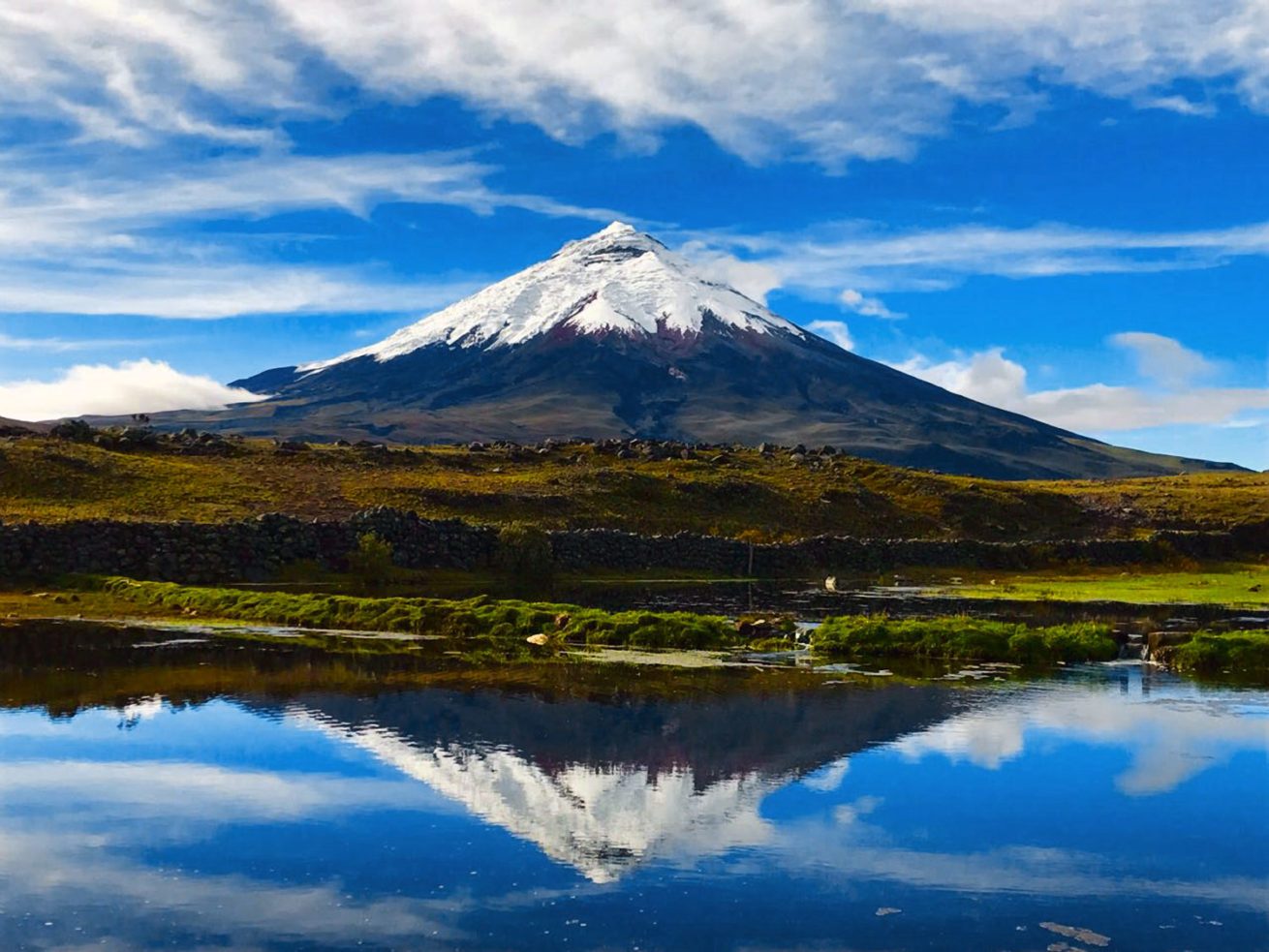
Position yourself along the northern edge to capture the symmetrical reflection of the volcano in the still water. This location is a highlight of any cotopaxi national park hiking tour for landscape enthusiasts.
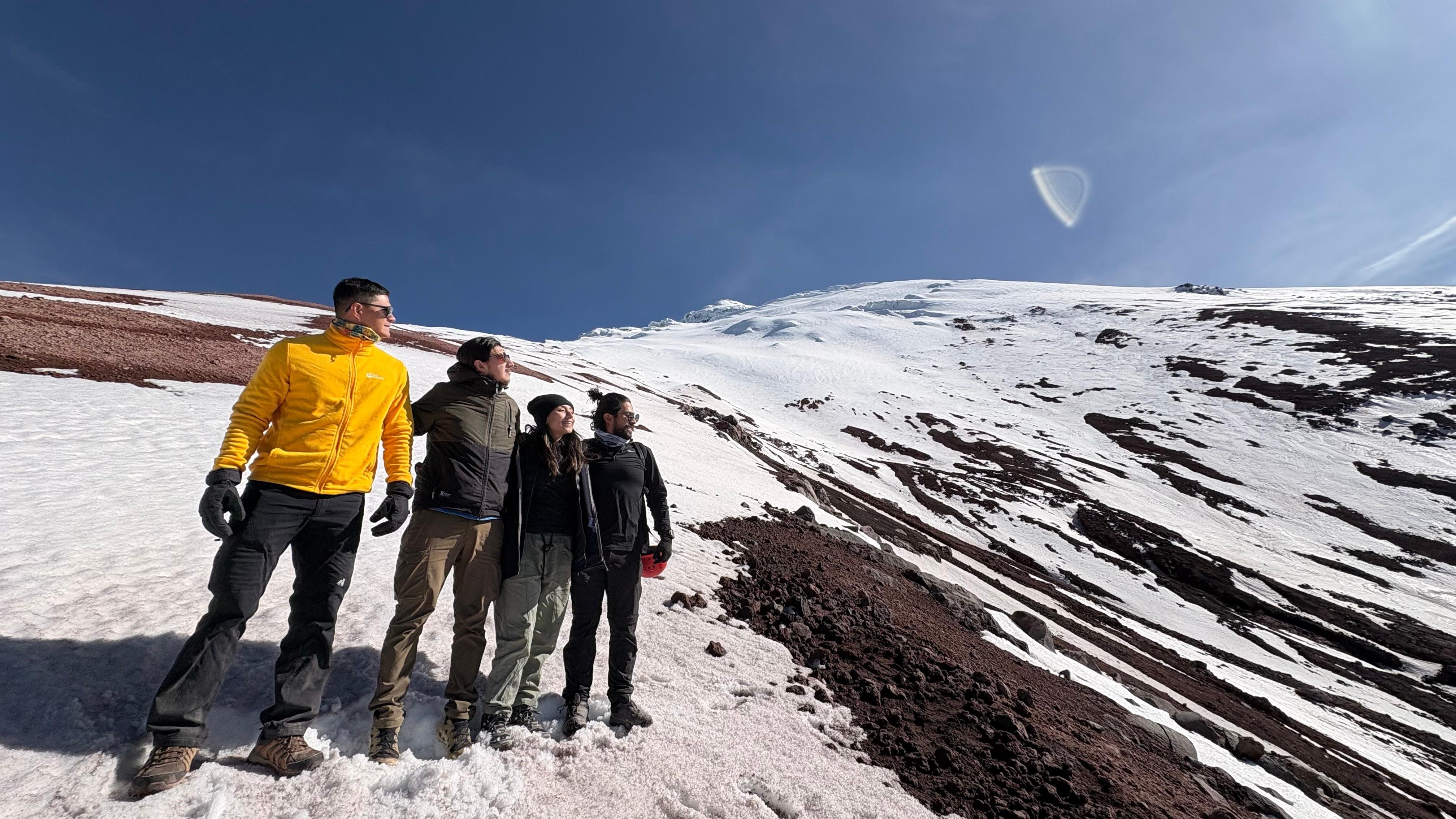
Stand near the shelter area to photograph the stark transition between the rocky volcanic scree and the glacial ice cap. The perspective provides a sense of scale for your cotopaxi national park hiking tour tours.
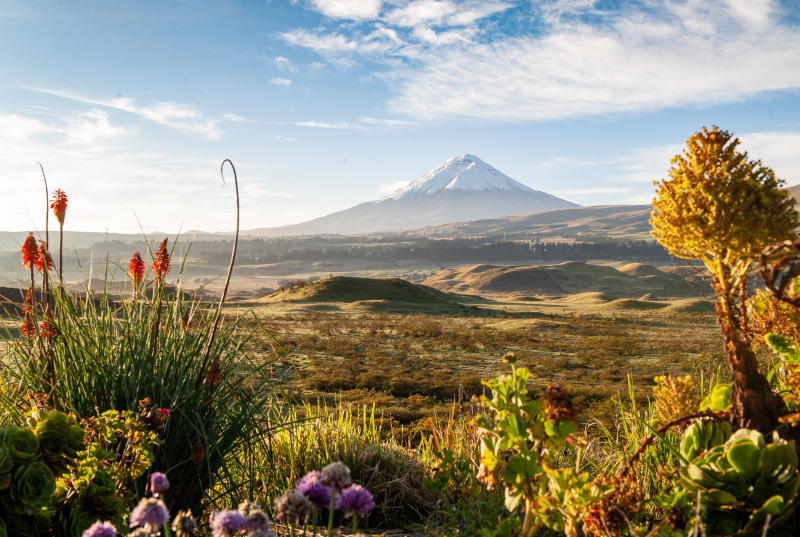
Focus your lens on the low-lying Andean vegetation against the backdrop of the massive stratovolcano. This vantage point offers a natural foreground for those booking cotopaxi national park hiking tour tickets.
Follow the established trail markers to this elevated point for a panoramic view of the expansive volcanic valley. It serves as a prime stop during a Cotopaxi guided excursion.
Exploring the high-altitude landscapes of this Andean landmark on a cotopaxi national park hiking tour is a memorable experience for families, provided you prioritize proper acclimatization. While the terrain is vast and beautiful, the thin air requires a slow, measured approach to ensure everyone stays energized and comfortable.
Given that park elevations start at 11,000 feet, prioritize a few days of acclimatization in Quito before your visit to prevent altitude sickness. Keep children hydrated and monitor them closely for signs of fatigue or discomfort, as the thin air impacts everyone differently.
Standard strollers are generally impractical on the rugged, uneven volcanic trails and high-altitude terrain. A sturdy baby carrier or hiking backpack is the recommended gear for keeping infants and toddlers secure during your visit.
For families seeking accessible walks, the path around Limpiopungo Lagoon offers a relatively flat trail with birdwatching opportunities and reflective views of the volcano. Avoid steep ascents toward the refuge with very young children, as the rocky, high-elevation path is challenging.
The park features a visitor center where you can learn about the local flora and fauna, but baby-change facilities are limited or unavailable. Plan to carry all necessary supplies with you, as the remote nature of the park means you should arrive prepared for a self-sufficient day.
Prepare for rapidly changing weather by dressing in multiple layers, including hats, gloves, and insulated rain gear. High-altitude winds can be harsh and persistent, so ensure children have scarves or face coverings to stay warm during your cotopaxi national park hiking tour tours.
While entry is free, ensure you bring your passport or ID for mandatory registration at the gate. If you require transportation to the higher parking areas, coordinate with your guide or park rangers in advance to secure your cotopaxi national park hiking tour tickets.
Dining options within the park are limited, making a cotopaxi national park hiking tour the perfect time to enjoy the rustic, hearty mountain fare found at specialized highland lodges. Visitors often choose to warm up with traditional stews after their cotopaxi national park hiking tour tour, as these establishments serve as essential sanctuaries against the high-altitude chill.
$12-23 for hearty Andean comfort food like locro de papa, mountain stews, and freshly baked bread.
A high-altitude stop at 4,800m offering hot beverages and simple meals for those completing their cotopaxi national park hiking tour tours.
$10-20
Everything you need to know for your journey
Cotopaxi National Park gates are open daily from 08:00 to 15:00. You may remain inside the park until 17:00 or 18:00 following your entry.
No, entry is free for all visitors. You do not need to purchase tickets for park access.
Registration with a passport or official ID at the park gate is mandatory for all visitors.
Arrive between 08:00–10:00 to view the summit before clouds and fog typically obscure the cone.
Yes, children are welcome on a cotopaxi national park hiking tour, provided they are physically prepared for the high-altitude climate.
Bring water, snacks, sunscreen, a hat, and a physical passport for your cotopaxi national park hiking tour.
Park entry does not require tickets, but guided cotopaxi national park hiking tour tours often offer pre-arranged logistics and transportation.
Yes, the park is monitored by officials, though weather and volcanic activity can change; always check conditions before your cotopaxi national park hiking tour.
Most visitors spend between 4 to 8 hours exploring, depending on whether the cotopaxi national park hiking tour includes a full summit-base trek.
Join thousands of happy travelers who have discovered this incredible experience
Book Your Experience Now