Cotopaxi National Park Tour From Quito Logo
English| EUR
Suggested for you
More currencies
Book Now
Open today · 08:00–15:00

Cotopaxi National Park Tour From Quito

Cotopaxi National Park — Glacier-Capped Volcano & High-Altitude Trails

Fifty kilometres south of Quito, Ecuador's iconic stratovolcano rises through páramo moorland.

4.9 /5 · 2,400 reviews
25K+ travelers chose this
Free Cancellation
Right now: Moderate — autumn shoulder season Visitors already inside the park may remain until 17:00.
Full day (10-12 hours)
1 Languages
Small groups, max 15
Free Cancellation
Free cancellation Instant confirmation Mobile voucher Verified partner Skip-the-line
Choose your ticket

Cotopaxi National Park Tour From Quito tickets at a glance

Compare fares, pick the fit — all bookings are mobile-voucher and eligible for free cancellation where shown.

Cotopaxi National Park & Quilotoa Crater Lake Day Trip 11 hr
Guided Experience

Cotopaxi National Park & Quilotoa Crater Lake Day Trip

4.8 (65)
€64
  • Expert local guide
  • Small group
  • Skip-the-line access
  • Free cancellation
Book this ticket
Cotopaxi Volcano & Quilotoa Crater Lake Full-Day Adventure 10 hr
Guided Experience

Cotopaxi Volcano & Quilotoa Crater Lake Full-Day Adventure

4 (661)
€82
  • Expert local guide
  • Small group
  • Skip-the-line access
  • Free cancellation
Book this ticket
Compare options

Compare Cotopaxi National Park Tour From Quito ticket options

Experience DurationRatingSkip-the-lineGuideSmall groupFree cancel. Price
Guided Experience
Most popular
Cotopaxi National Park Day Trip from Quito with Hiking
9 hr★ 4.8 €65 Book →
Guided Experience
Cotopaxi National Park & Quilotoa Crater Lake Day Trip
11 hr★ 4.8 €64 Book →
Guided Experience
Cotopaxi Volcano & Quilotoa Crater Lake Full-Day Adventure
10 hr★ 4.0 €82 Book →
Head to head

Cotopaxi National Park Tour From Quito vs. Quilotoa Loop: Choosing Your Andes Excursion

They complement each other; most visitors who do both call the volcanic cone the more thrilling choice for mountaineers, while the crater lake offers a more serene landscape for hikers.

Top pick
Cotopaxi
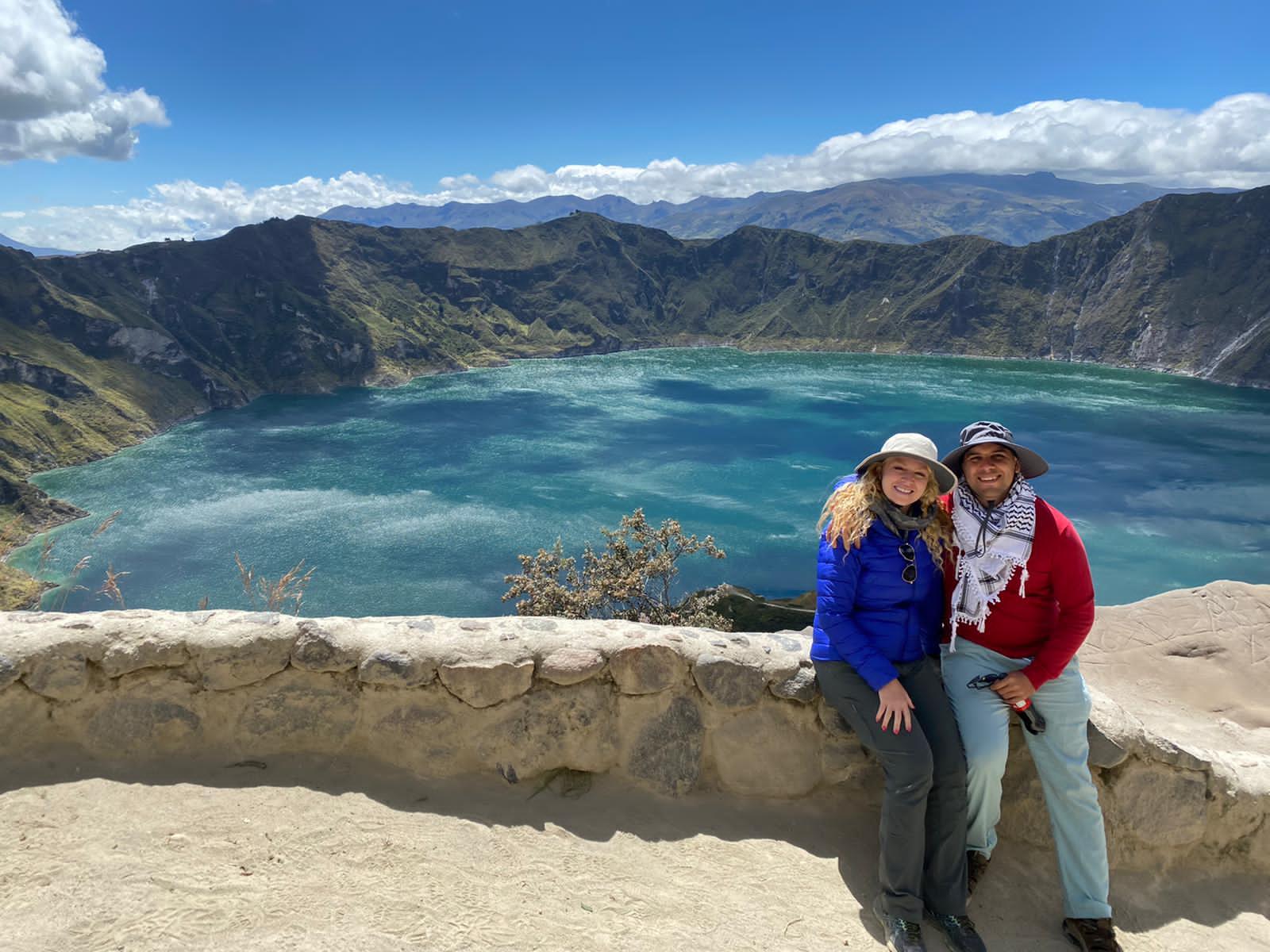
Quilotoa
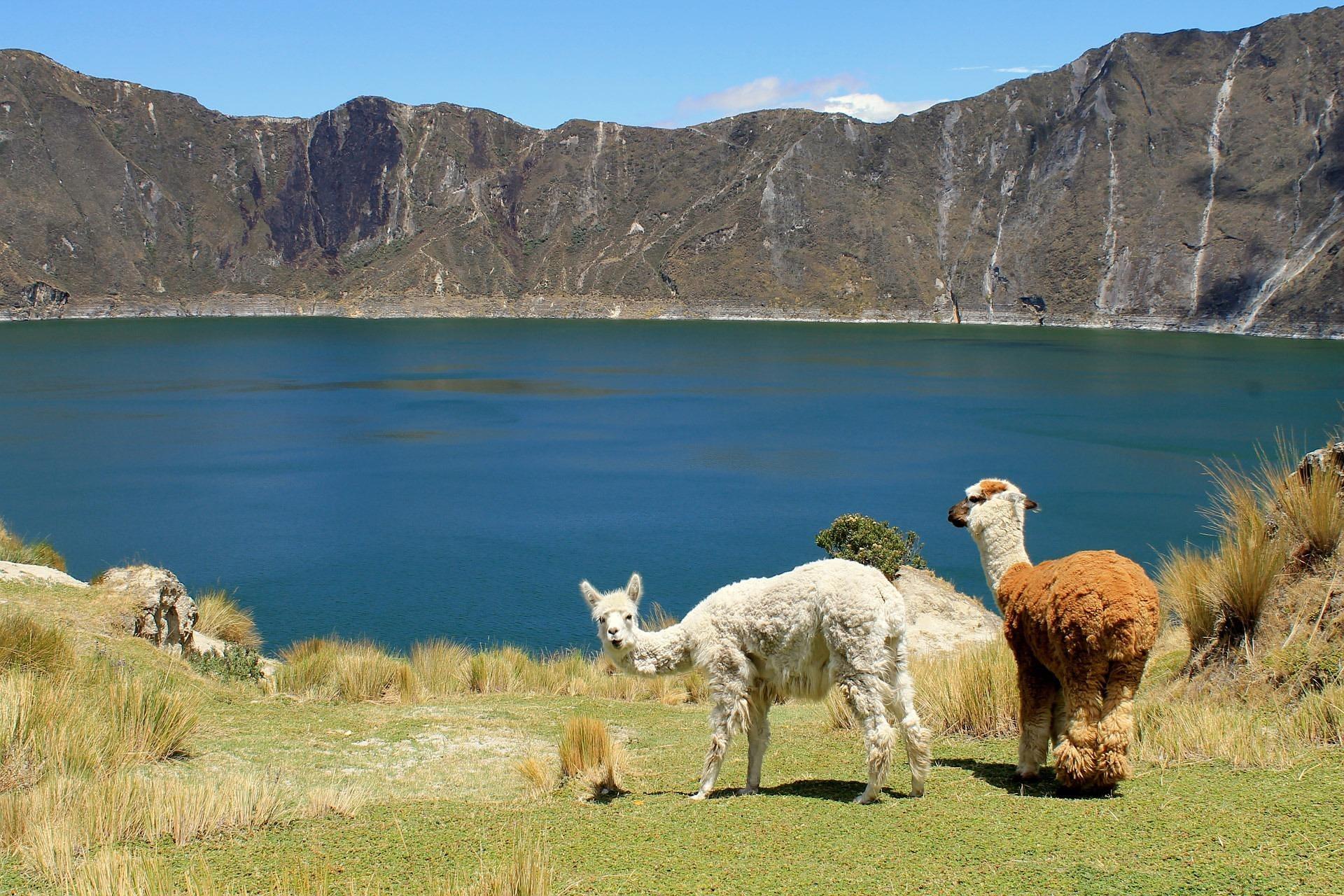
Primary feature Emerald caldera lake
Difficulty Moderate (steep descent/ascent)
Altitude 3,914 meters (rim)
Landscape type Highland Andean caldera
Travel time from Quito Approx. 3 to 4 hours

Verdict: Select a cotopaxi national park tour from quito tours if you prioritize technical high-altitude scenery, or choose the Quilotoa loop for a unique photography experience after securing your cotopaxi national park tour from quito tickets for the broader cotopaxi national park tour from quito experience.

Featured Experiences

Popular Cotopaxi National Park Tour From Quito tours & activities

Hand-picked experiences loved by thousands of travelers

Recommended Experience

Powered by GetYourGuide

Another traveler favorite

Powered by GetYourGuide
Full-Day Cotopaxi National Park Adventure from Quito 11 hours Free Cancellation

Full-Day Cotopaxi National Park Adventure from Quito

Explore Ecuador's iconic volcano with a glacial lagoon visit and high-altitude hike to 4,864m

4.8 (35)
FromFrom €64.56
See details
Cotopaxi Volcano Full-Day Adventure with Limpiopungo Lagoon 10 hours Free Cancellation

Cotopaxi Volcano Full-Day Adventure with Limpiopungo Lagoon

Journey to one of Earth's highest active volcanoes, trek to a mountain refuge at 4,864m, and explore pristine Andean moorlands

4.4 (6)
FromFrom €53.46
See details
Cotopaxi National Park Hiking & Biking Adventure 2 hours Free Cancellation

Cotopaxi National Park Hiking & Biking Adventure

Trek to a mountain refuge, cycle to a pristine alpine lake, and savor lunch amid volcanic landscapes

FromFrom €47.34
See details
Cotopaxi Volcano Adventure: Horseback Riding & High-Altitude Hiking 9 hours Free Cancellation

Cotopaxi Volcano Adventure: Horseback Riding & High-Altitude Hiking

Ride horses through volcanic terrain and trek to a mountain refuge at nearly 16,000 feet elevation

5 (22)
FromFrom €167.85
See details
Cotopaxi & Quilotoa Volcanic Lakes Tour from Quito 1 day Free Cancellation

Cotopaxi & Quilotoa Volcanic Lakes Tour from Quito

Explore Ecuador's dramatic volcanic landscapes on a full-day journey to two stunning crater destinations

5 (11)
FromFrom €98.99
See details
Cotopaxi National Park & Fuego Waterfall Full-Day Adventure 12 hours Free Cancellation

Cotopaxi National Park & Fuego Waterfall Full-Day Adventure

Explore Ecuador's volcanic highlands with waterfall hikes, lagoon walks, and Andean wildlife spotting

FromFrom €102.61
See details
Cotopaxi & Quilotoa Full-Day Adventure from Quito 10 hours Free Cancellation

Cotopaxi & Quilotoa Full-Day Adventure from Quito

Explore two stunning Andean volcanic wonders in one unforgettable 10-hour journey through Ecuador's highlands

5 (3)
FromFrom €175.6
See details
Private Cotopaxi & Quilotoa Full-Day Adventure 11 hours Free Cancellation

Private Cotopaxi & Quilotoa Full-Day Adventure

Journey through Ecuador's highlands to an active volcano and stunning turquoise crater lake

FromFrom €199.44
See details
What you'll see

What you'll see at Cotopaxi National Park Tour From Quito

Cotopaxi Volcano

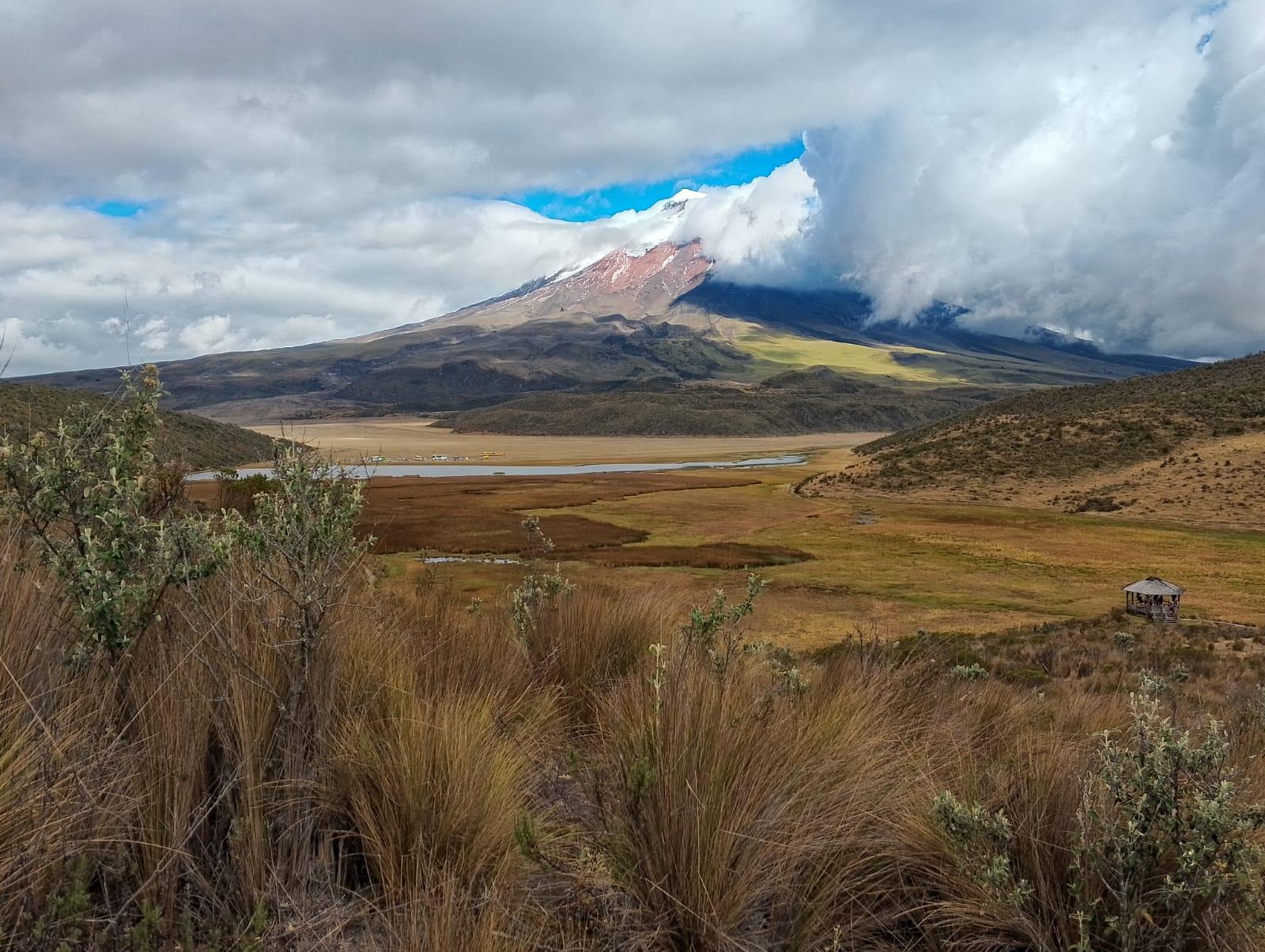
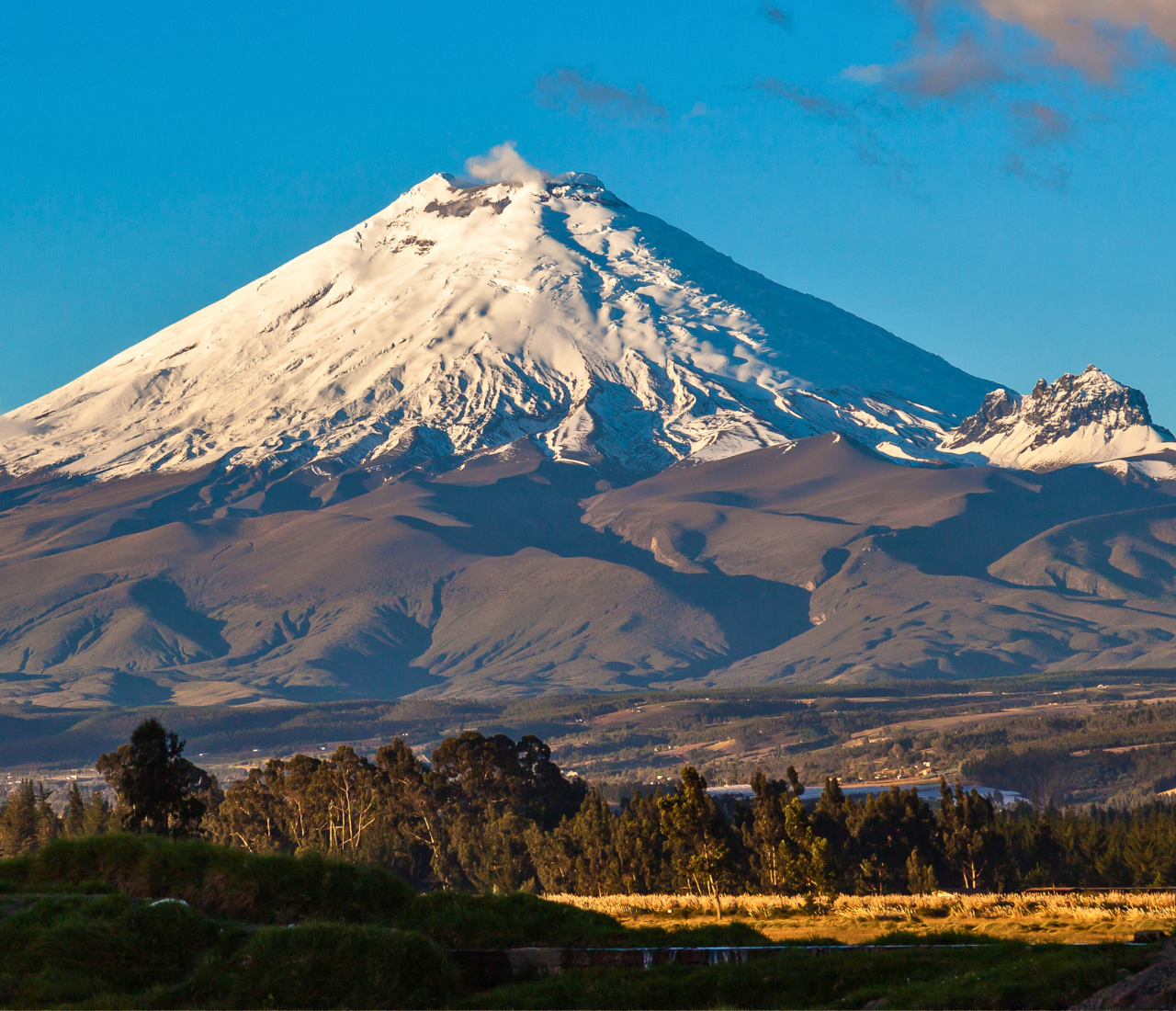
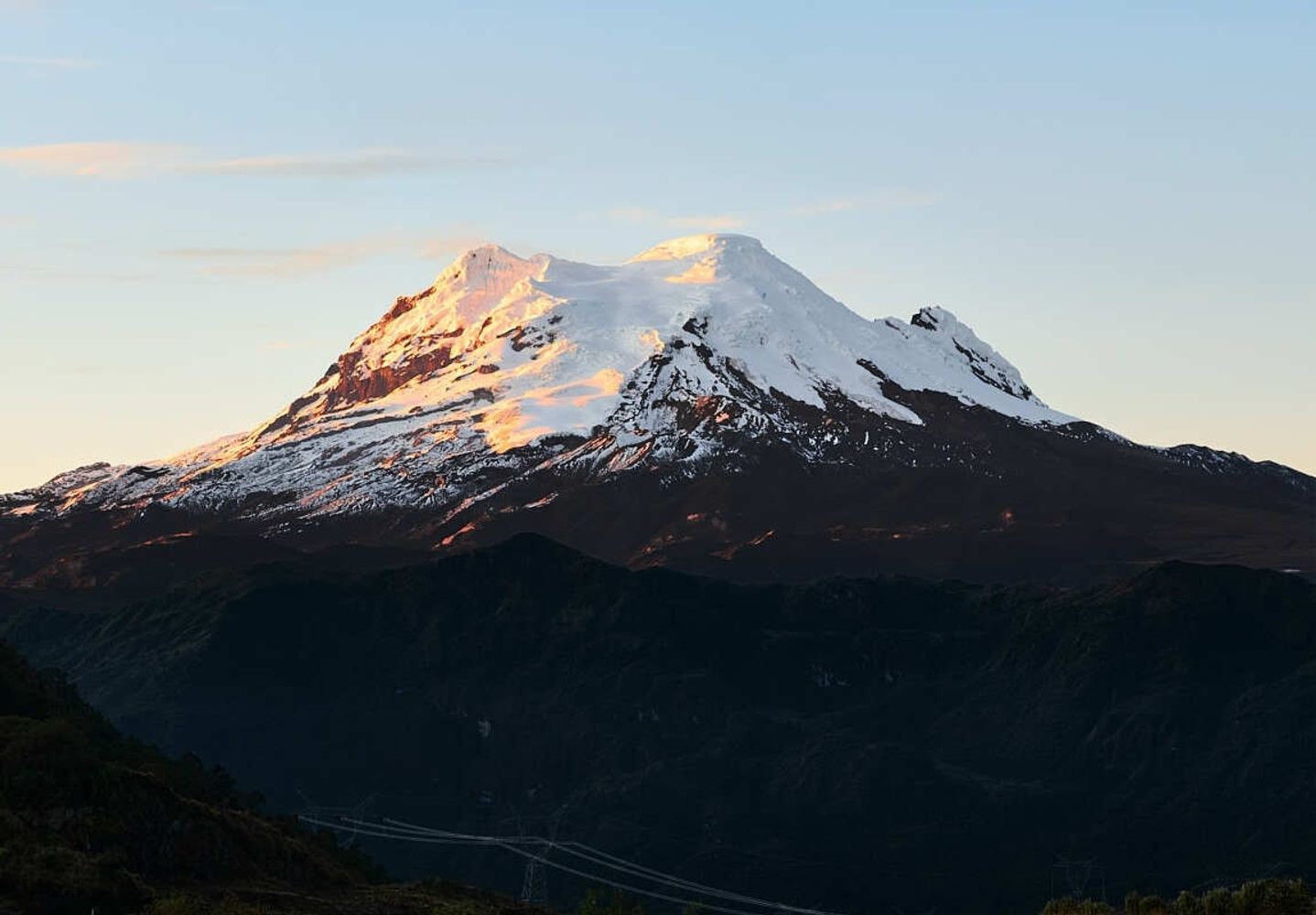
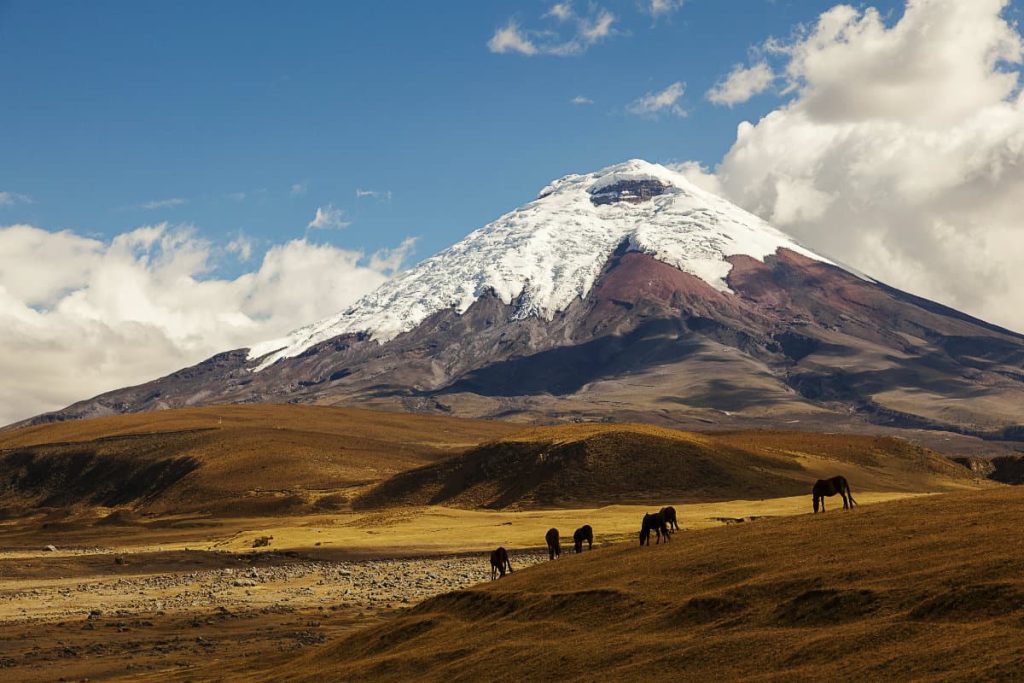
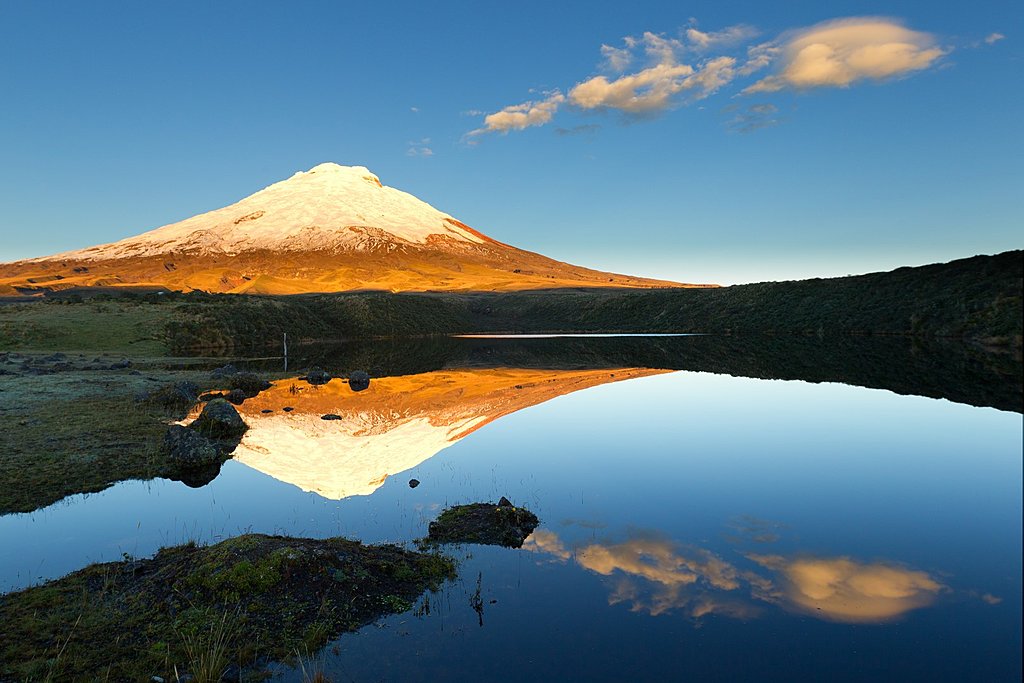
This active volcano reaches a height of 5,897 meters and features a prominent snow-capped cone. It is one of the world's highest active volcanoes and dominates the skyline of the park.

Cotopaxi volcano summit photography

Cotopaxi volcano summit photography

Cotopaxi Volcano

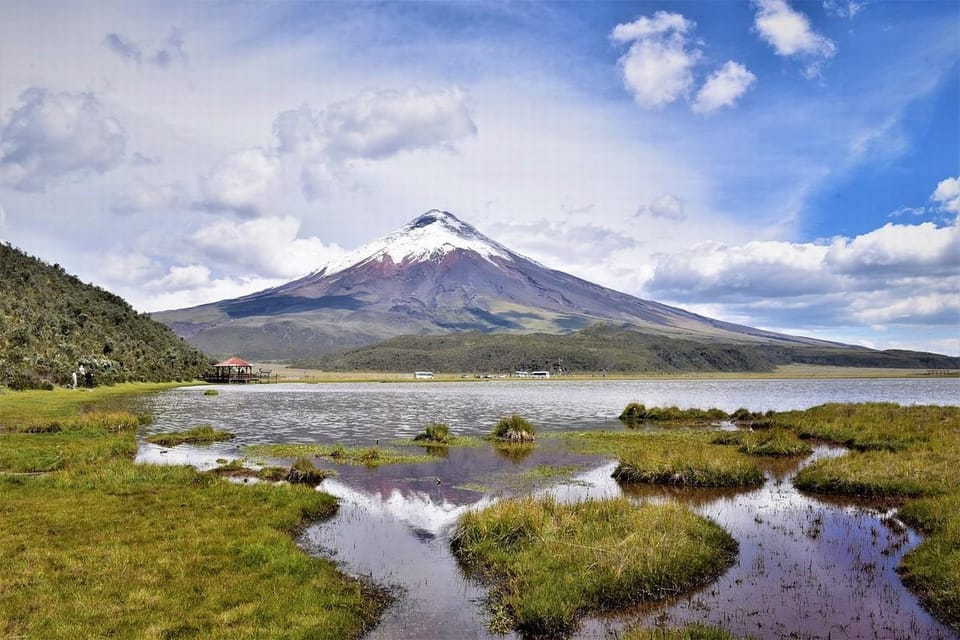
Limpiopungo lagoon mountain reflection

Limpiopungo lagoon mountain reflection

Limpiopungo Lagoon

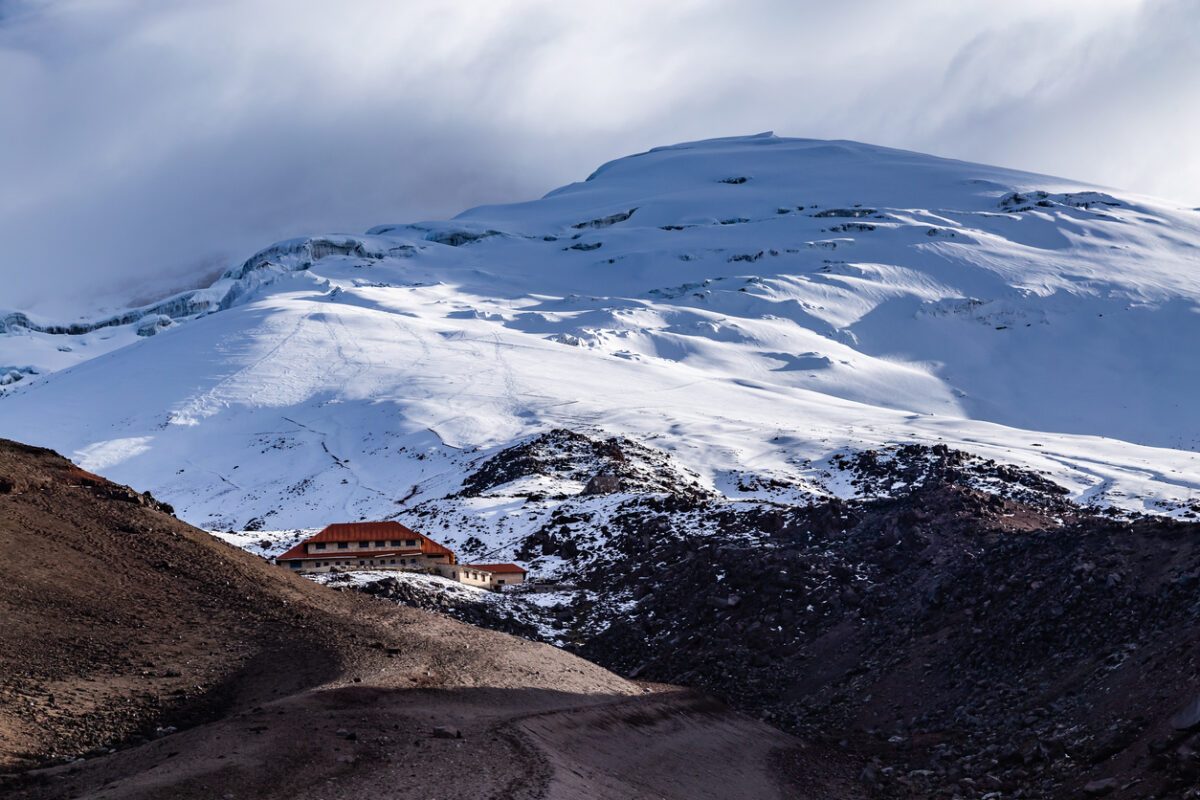
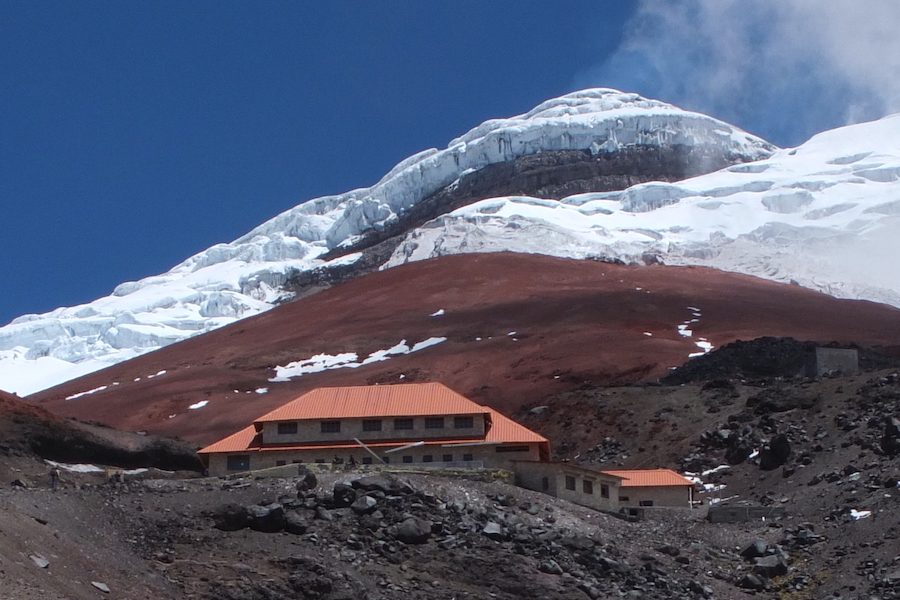
Jose Ribas refuge mountain hut

Jose Ribas refuge mountain hut

José Ribas Refuge

Mariscal Sucre visitor center building

Mariscal Sucre visitor center building

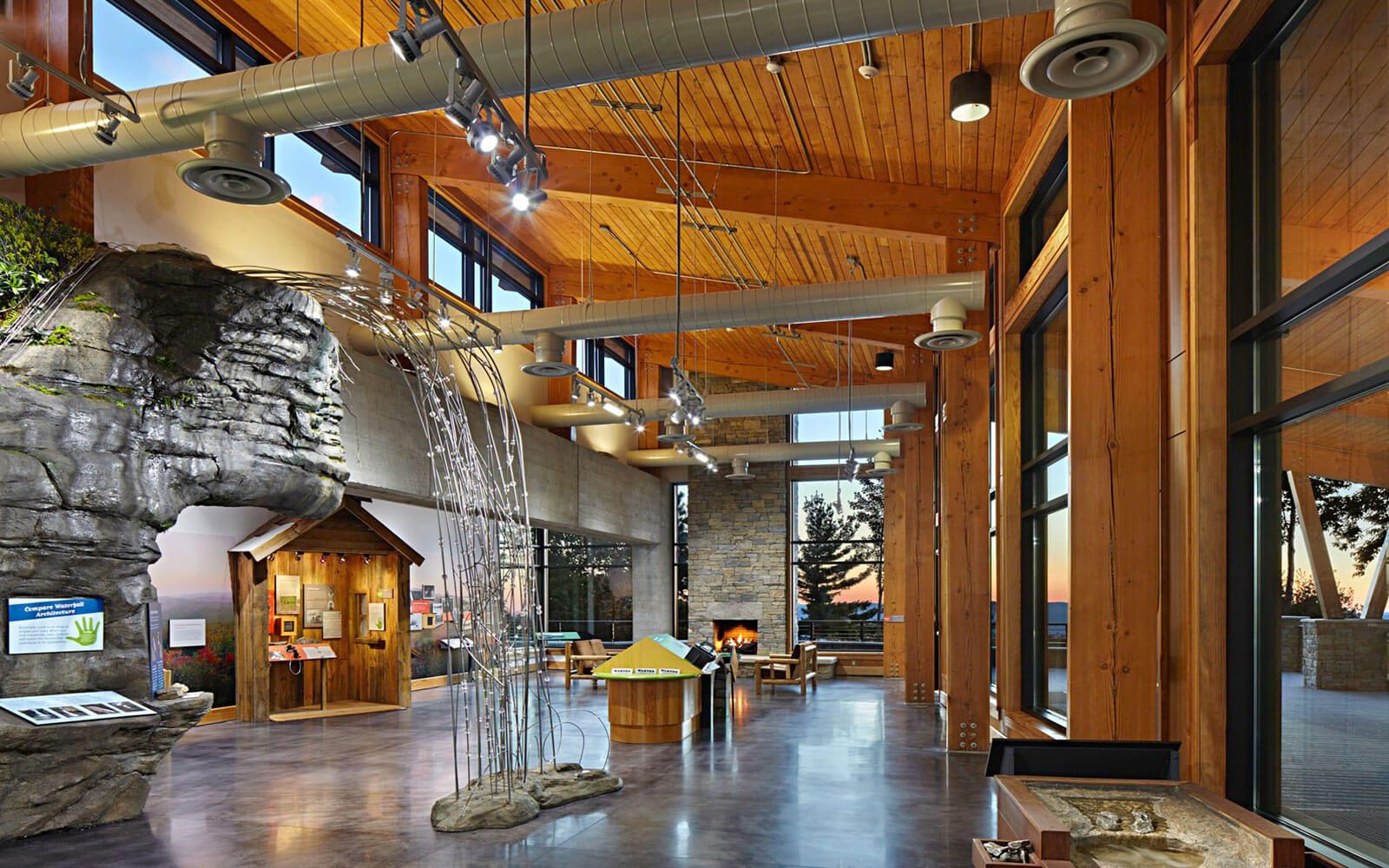
Mariscal Sucre Interpretation Center

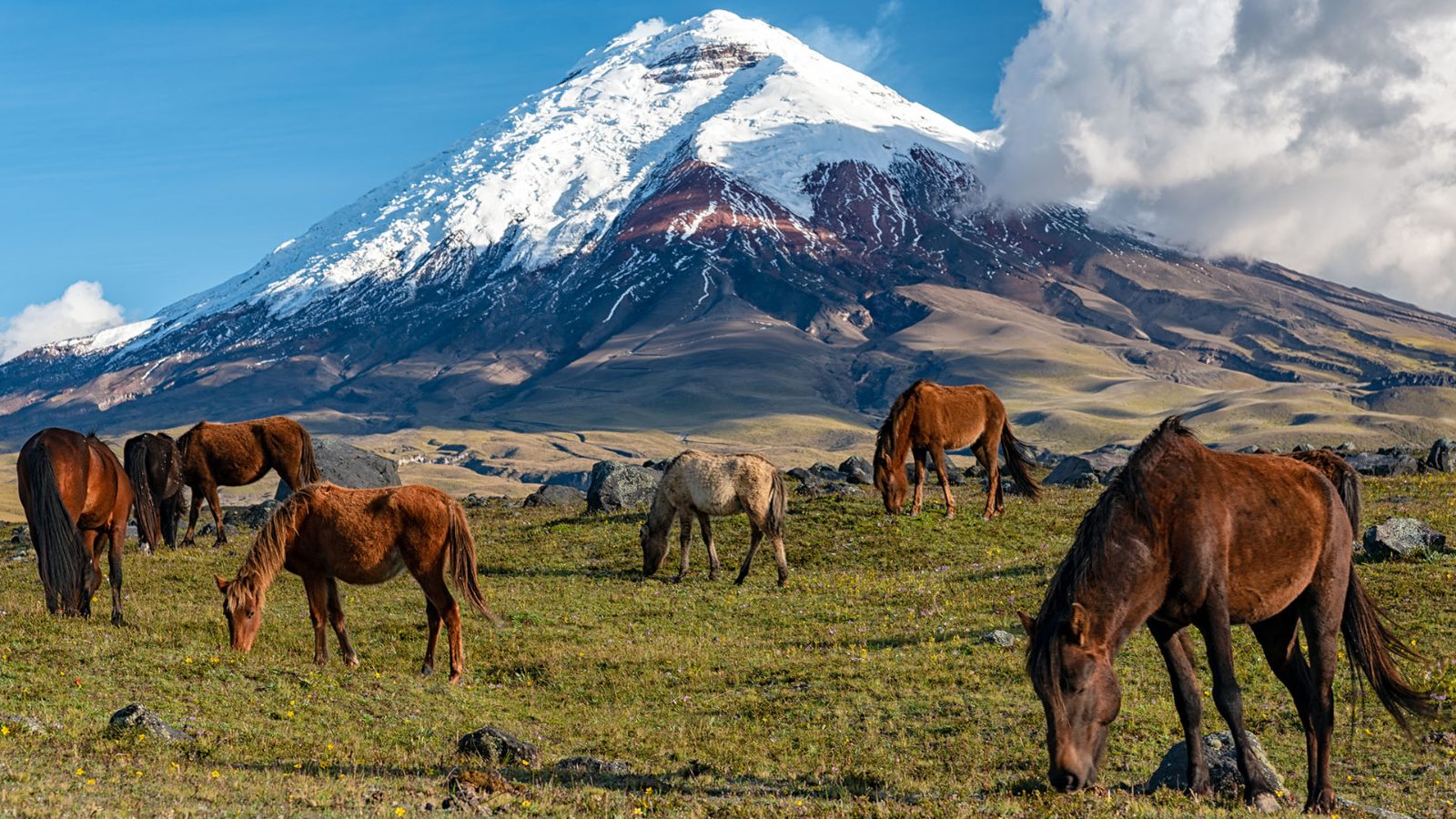
Wild Andean horses in paramo

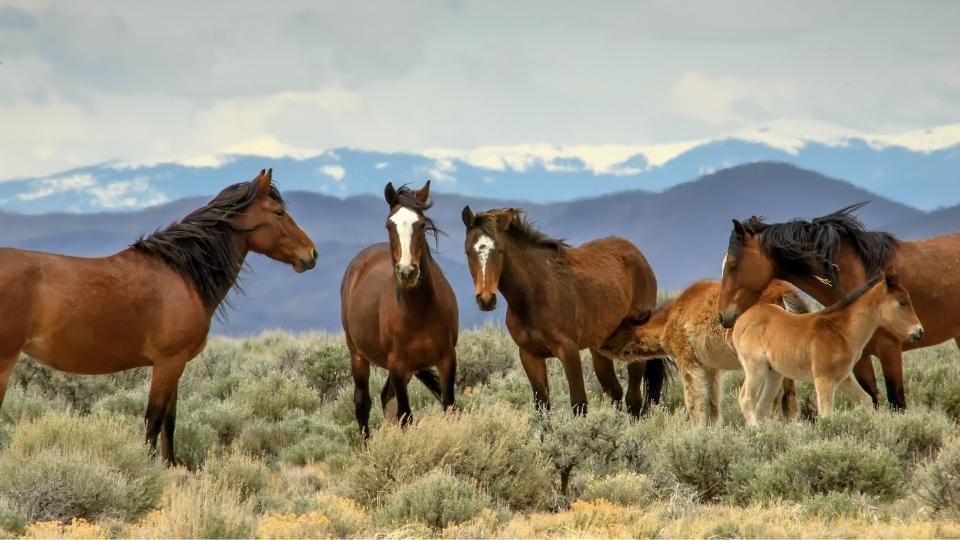
Wild Andean horses

The experience

What visiting Cotopaxi National Park Tour From Quito is really like

You leave Quito before sunrise, heading south on the Panamericana as the city's lights fade behind ridgelines. The highway climbs past eucalyptus groves and terraced fields, and within ninety minutes the cone appears — a white triangle suspended above the páramo.

Read more Show less

Your driver turns onto the park's northern access road at Machachi, and after passing the registration gate you follow a gravel track across open moorland where wild horses graze among volcanic boulders. The air thins as you ascend, and by the time you reach the José Rivas parking area at 4,600 metres, your breath comes shorter.

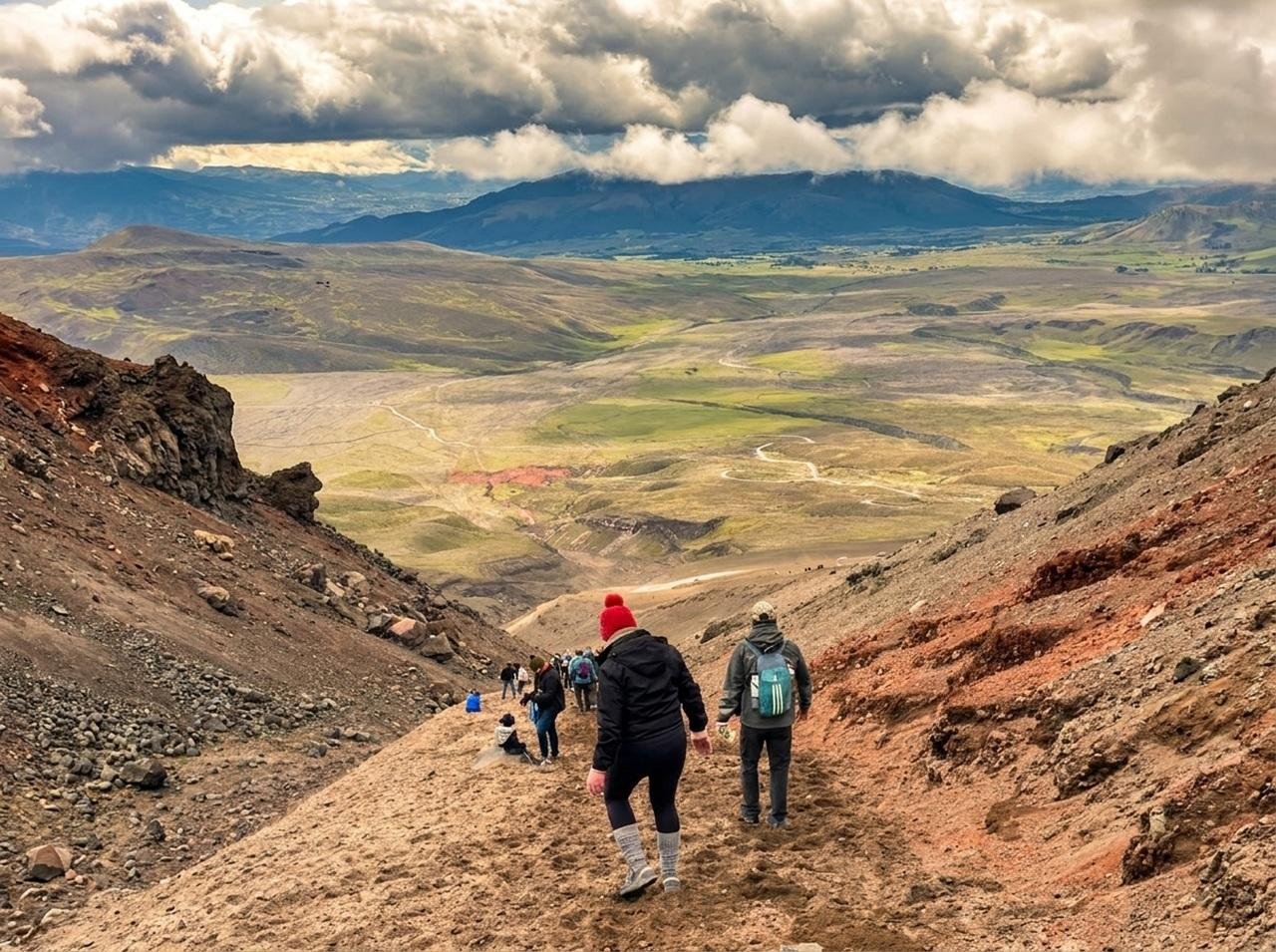
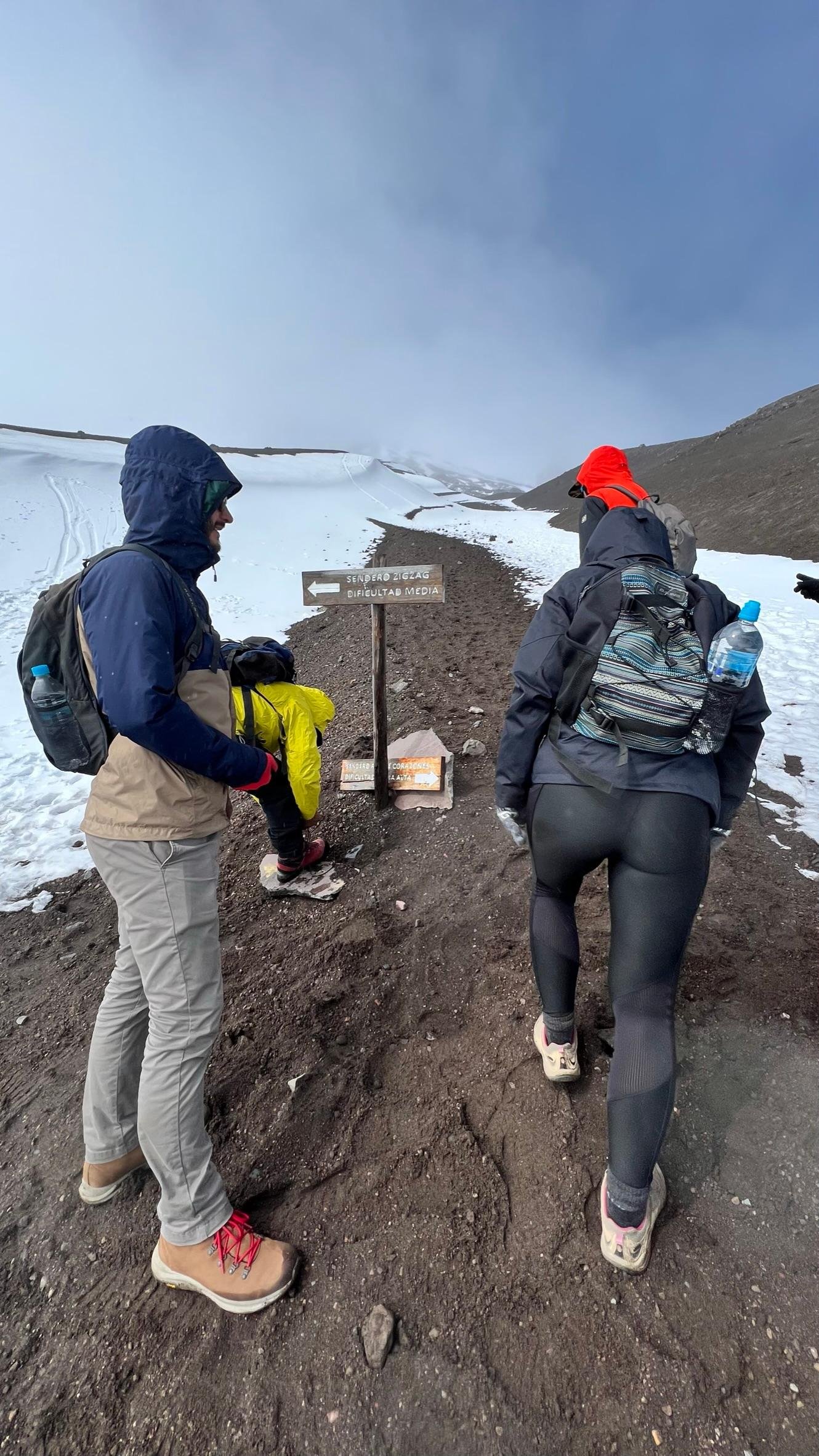
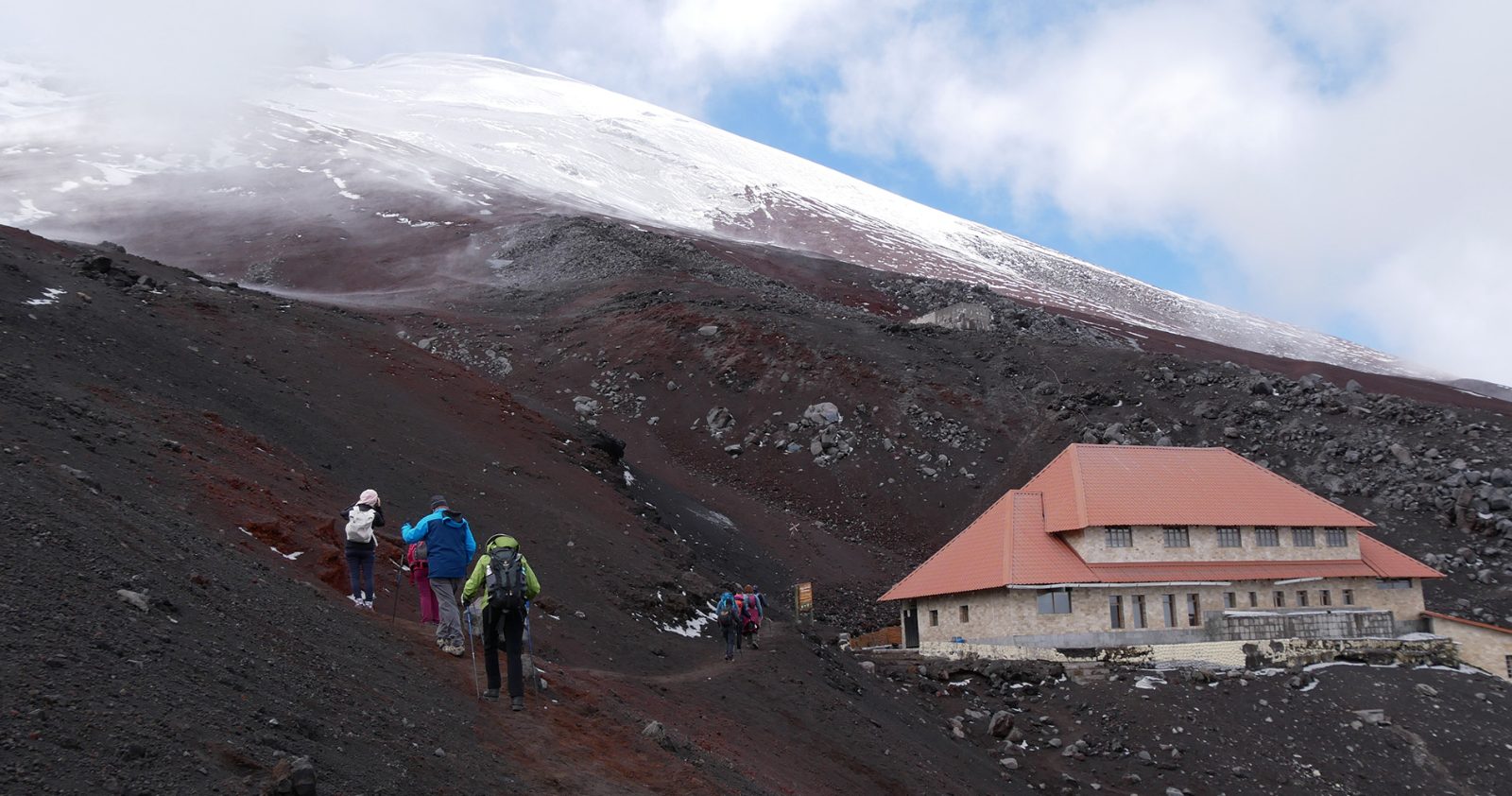
You step out into wind and cold, layering fleece and windproof shells, and begin the path to the refuge. The trail switchbacks over black sand and pumice, each step crunching on loose scoria. After forty minutes you reach the refuge hut at 4,864 metres, a red-roofed shelter perched on the volcano's flank. Climbers bound for the summit rest here before midnight starts, but you continue only to the glacier line — a thirty-minute scramble over steeper scree until ice blocks the way at 5,000 metres. The summit looms directly overhead, close enough to see crevasses cutting the ice cap. You turn back before the clouds roll in, retracing your steps to the parking area, where the driver waits with hot tea and the descent toward the valley floor.

Cotopaxi National Park Tour From Quito
Everything You Need to Know

Your complete Cotopaxi National Park Tour From Quito guide

All the details about your upcoming adventure in one place

Cotopaxi National Park Tour from Quito

A cotopaxi national park tour from quito takes you through the Avenue of the Volcanoes to one of Ecuador's highest active volcanoes, standing at 5,897 meters. You'll explore páramo ecosystems around Limpiopungo Lagoon, visit the José Rivas Refuge at 4,800 meters, and witness Andean condors and wild horses across the protected reserve. Cotopaxi national park tour from quito tickets typically include round-trip transport, national park entry, and a bilingual naturalist guide.

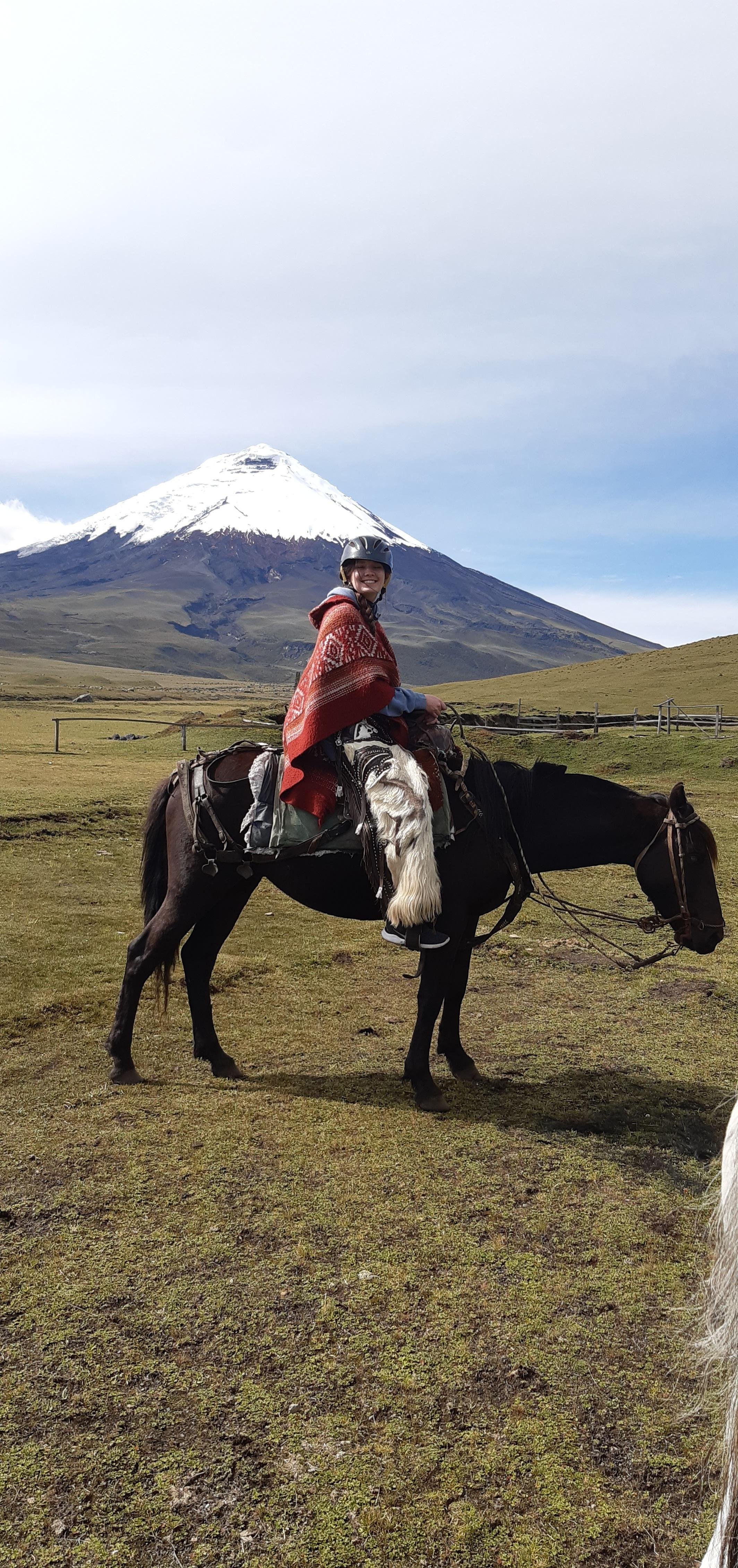
Cotopaxi rises 5,897 metres above sea level, making it the second-highest summit in Ecuador and one of the world's tallest active volcanoes.

The near-perfect cone, capped year-round by glaciers, anchors a 33,393-hectare national park established in 1975 to protect high-altitude páramo ecosystems and the wildlife corridors linking the eastern and western Andean ranges. The volcano's symmetry earned it the nickname "Cuello de la Luna" — Neck of the Moon — among Quito's colonial chroniclers, who recorded at least fifty eruptions between 1738 and 1904. The most destructive event, in June 1877, sent lahars down both flanks and buried haciendas under metres of ash and mud. Seismic monitoring stations installed after 2015's increased tremor activity confirm Cotopaxi remains one of South America's most closely watched volcanic systems.

The park occupies the transition zone between temperate valleys and alpine tundra, with elevation ranges from 3,400 to 5,897 metres creating micro-habitats for Andean condors, wild horses, spectacled bears, and the occasional puma. Cushion plants, tussock grasses, and Chuquiraga shrubs dominate the windswept páramo, a sponge-like moorland that captures moisture and feeds rivers serving two million people downstream. The Limpiopungo Lagoon, a glacial lake at 3,800 metres, offers one of the Andes' clearest reflections of the summit on windless mornings. Indigenous communities surrounding the park — descendants of Panzaleo and Kichwa groups — maintain grazing rights established before legal protection, and their knowledge of weather patterns and trail conditions remains essential for safe navigation above 4,500 metres.

Cotopaxi's appeal extends beyond geology. The park's gravel roads, built in the 1970s, provide vehicle access to the José Rivas Refuge at 4,864 metres, the highest you can drive in Ecuador. From there, a one-hour hike crosses loose scoria to reach the glacier line at 5,000 metres, where the technical summit climb begins. Non-climbers stay below the snowline, exploring crater lakes, pre-Columbian trails, and the colonial-era haciendas ringing the park's western boundary. The volcano's silhouette dominates Quito's southern horizon, visible on clear days from the capital's old town plazas, and remains Ecuador's most-photographed natural landmark. Tour operators offer day trips combining the refuge ascent with stops at indigenous markets and rose plantations, compressing the Andes' vertical ecology into a single route.


The volcano's symmetry earned it the nickname Cuello de la Luna — Neck of the Moon — among Quito's colonial chroniclers.

Dress code

Layering is essential for a cotopaxi national park tour from quito as temperatures fluctuate between -10 °C and 15 °C. Wear a thermal base layer, fleece mid-layer, and a windproof, waterproof outer shell to prepare for high-altitude Andean conditions.

Bags & security

Park rangers perform bag inspections at the park entrances for every cotopaxi national park tour from quito visitor. Carry only necessary items in a 20–30-litre daypack, as large suitcases are impractical for the unpaved mountain terrain.

Photography

Photography is permitted throughout the park during your cotopaxi national park tour from quito, especially at Limpiopungo Lagoon. Drone use requires prior written authorization from the Ministerio del Ambiente to avoid equipment confiscation.

Families & strollers

Families participating in a cotopaxi national park tour from quito should note the extreme 4,500 m altitude, which can be challenging for young children. Consult a physician before visiting if family members have respiratory or heart conditions.

Accessibility

The paved access road and the Mariscal Sucre Interpretation Center are accessible for those taking a cotopaxi national park tour from quito with limited mobility. Trails to the high-altitude refuge involve steep, uneven volcanic gravel that is not wheelchair-friendly.

Food & drink

Bring sufficient water and snacks for your cotopaxi national park tour from quito, as limited food services exist inside the park boundaries. High-altitude dehydration occurs quickly, so hydration is vital throughout the excursion.

Not allowed

× Firearms × Open flames × Drones (without permit) × Loudspeakers × Alcoholic beverages × Single-use plastics × Traps × Hunting equipment × Illegal narcotics × Heavy luggage

What to bring

✓ Physical passport ✓ Water bottle ✓ Sunscreen ✓ Thermal layers ✓ Hiking boots ✓ Sunglasses ✓ Face mask ✓ Personal medication

Opening hours

Mon 08:00–15:00
Tue 08:00–15:00
Wed 08:00–15:00
Thu 08:00–15:00
Fri 08:00–15:00
Sat 08:00–15:00
Sun 08:00–15:00

How to get there

At a glance

Opening hours

08:00–15:00 daily

Address

Cotopaxi National Park, Central Ecuadorian Andes, 50 km south of Quito, Ecuador

Entry requirements

Mandatory passport or ID registration at the gate

Arrival recommendation

08:00–10:00 to avoid late-morning summit cloud cover

Pack requirements

Daypack recommended; keep valuables secure

Navigation

Unpaved internal roads; 4WD vehicle advised

Cancellation policy

Many operators for a cotopaxi national park tour from quito offer free cancellation up to 24-48 hours before the scheduled departure. Entrance to the park is free, so ensure your tour provider does not include hidden conservation fee markups.

Plan your time

Planning Duration and Intra-day Timing for a Cotopaxi National Park Tour From Quito

Recommended time

Half a day

A cotopaxi national park tour from quito typically requires half a day to navigate the volcanic landscapes and high-altitude terrain. Arriving early is essential to observe the mountain peak before afternoon cloud cover descends, as cotopaxi national park tour from quito tours often experience peak foot traffic by mid-morning. Travelers planning their cotopaxi national park tour from quito tickets arrival should anticipate light registration queues at the gate, which move efficiently once passport details are presented.

Crowd levels through the day

08:00–09:00 Light
09:00–10:30 Moderate
10:30–12:30 High
12:30–15:00 Moderate
The story

Historical Significance of the Highest Volcano in Ecuador

Cotopaxi, standing at 5,897 meters, ranks among the world's highest active volcanoes and has shaped the Central Ecuadorian Andes for over 400,000 years. Indigenous Quichua communities revered the snow-capped peak long before Spanish colonization, believing the mountain housed powerful spirits. The volcano's name derives from a Quichua phrase meaning "neck of the moon," reflecting its luminous glacial summit visible from Quito on clear mornings. Spanish chroniclers documented Cotopaxi's violent eruptions beginning in 1534, the year Francisco Pizarro's forces first sighted the cone. The deadliest recorded eruption occurred in 1877, when pyroclastic flows and lahars destroyed valleys to the north, killing hundreds and burying settlements under volcanic debris. That catastrophe prompted Ecuador's first systematic volcanic monitoring efforts. German geologist Wilhelm Reiss and Colombian mountaineer Angel Escobar completed the first documented summit ascent in 1872, five years before the great eruption. Their glaciological surveys established Cotopaxi as a key site for Andean volcanic research. The Ecuadorian government designated the surrounding páramo and cloud forests as a national park in 1975, protecting 33,393 hectares of high-altitude ecosystems and archaeological sites. Cotopaxi national park tour from quito operations began in the early 1980s, transforming the volcano from a feared natural hazard into Ecuador's most visited highland attraction. The park entrance fee was eliminated in 2019 to increase accessibility for domestic visitors. Cotopaxi's 2015 eruption cycle forced a two-year closure of the summit route and halted all cotopaxi national park tour from quito tours above the José Rivas Refuge at 4,800 meters. Scientists recorded over 1,500 seismic events between August and November 2015, prompting evacuations in nearby towns. The refuge reopened in October 2017 after structural reinforcement. Today, the park attracts over 200,000 annual visitors who hike the páramo trails, photograph the Limpiopungo Lagoon, and attempt the glaciated summit via the northwest ridge.

Pre-1534

Quichua peoples consider Cotopaxi sacred, believing the volcano houses mountain deities and controls weather patterns.

1534

Spanish conquistadors document Cotopaxi's eruption as they advance toward Quito, noting ash columns visible from 100 kilometers.

1872

Wilhelm Reiss and Angel Escobar reach the summit, marking the first recorded successful ascent of the volcano.

1877

The deadliest eruption in recorded history generates lahars that destroy northern valleys and kill hundreds of residents.

1975

Ecuador establishes Cotopaxi National Park, protecting 33,393 hectares of páramo, cloud forest, and archaeological ruins.

2015–2017

Volcanic unrest forces closure of summit routes; over 1,500 seismic events recorded before activity subsides and access reopens.

Photo spots

Best Photo Spots for Your Cotopaxi Volcano Tour From Quito

Limpiopungo Lagoon

Limpiopungo Lagoon

Best light · 08:00–09:30

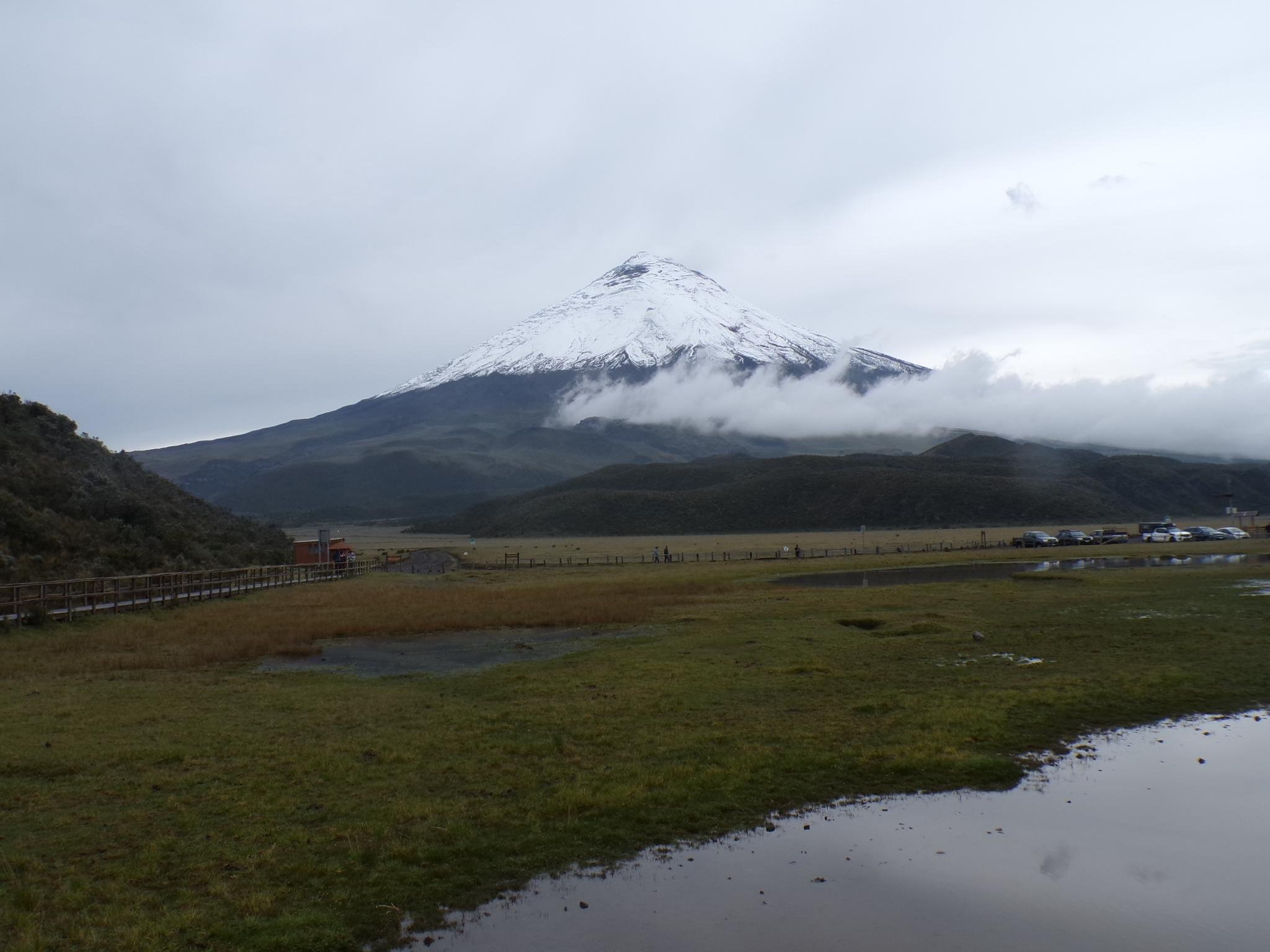
This location offers a reflective shot of the volcano across the water, providing excellent scale. Stand along the northern trail to frame the glacier-capped summit.

Jose Rivas Refuge

Jose Rivas Refuge

Best light · Before 10:00

Located higher up, this point provides a close-up perspective of the northern face and the surrounding Andean moorland. It is a highlight for many on a cotopaxi national park tour from quito.

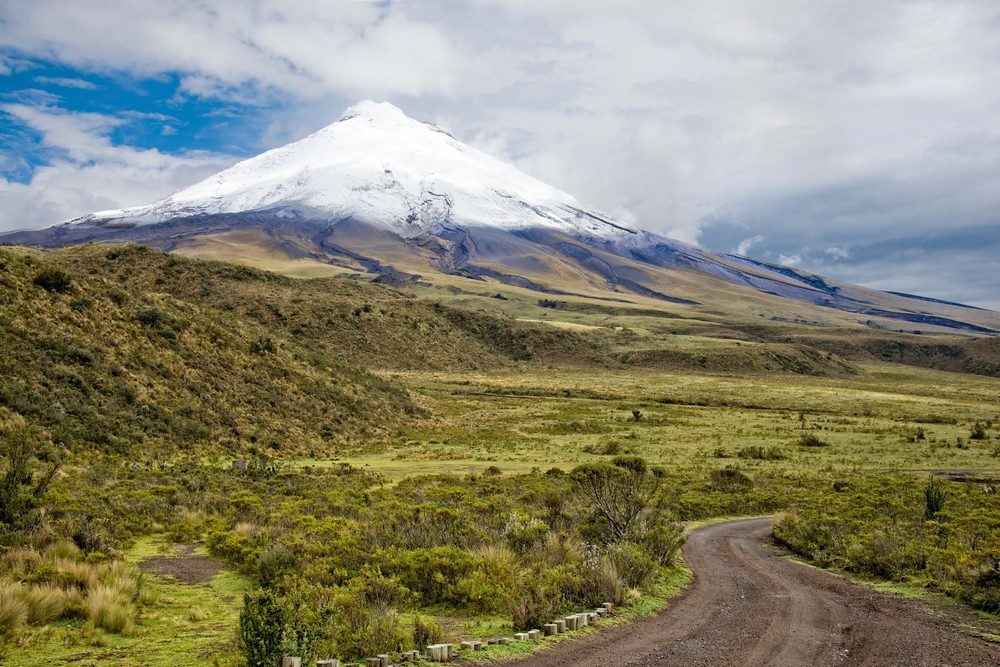
Park Entrance Road

Park Entrance Road

Best light · Early morning

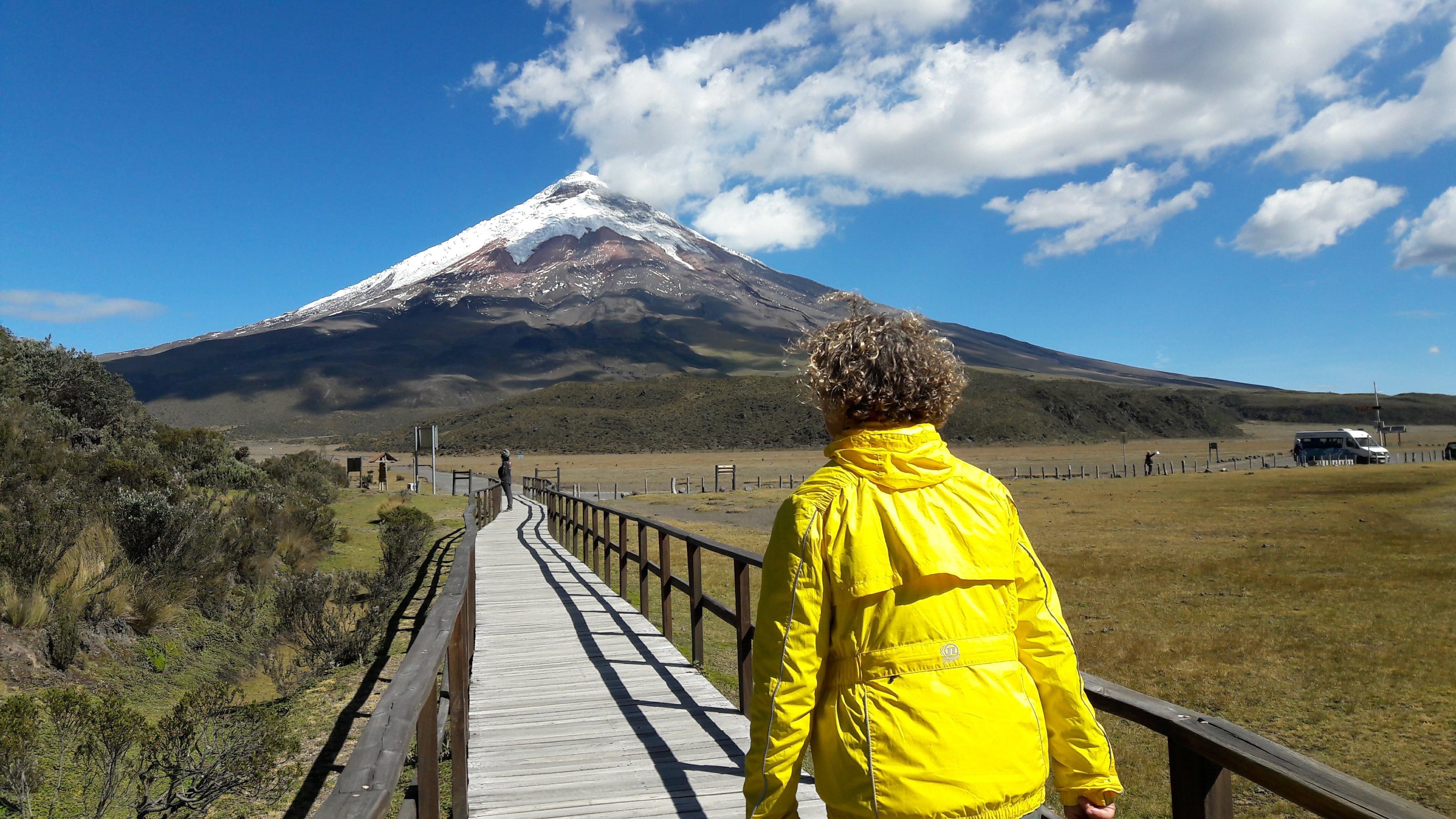
The long, straight gravel roads leading toward the mountain create a vanishing point composition against the iconic peak. Stop at designated pull-offs before the primary gate.

Condor Mirador

Condor Mirador

Best light · Mid-morning

This elevated vantage point allows for panoramic captures of the valley and volcanic massif. Many cotopaxi national park tour from quito tours prioritize this stop for expansive geography shots.

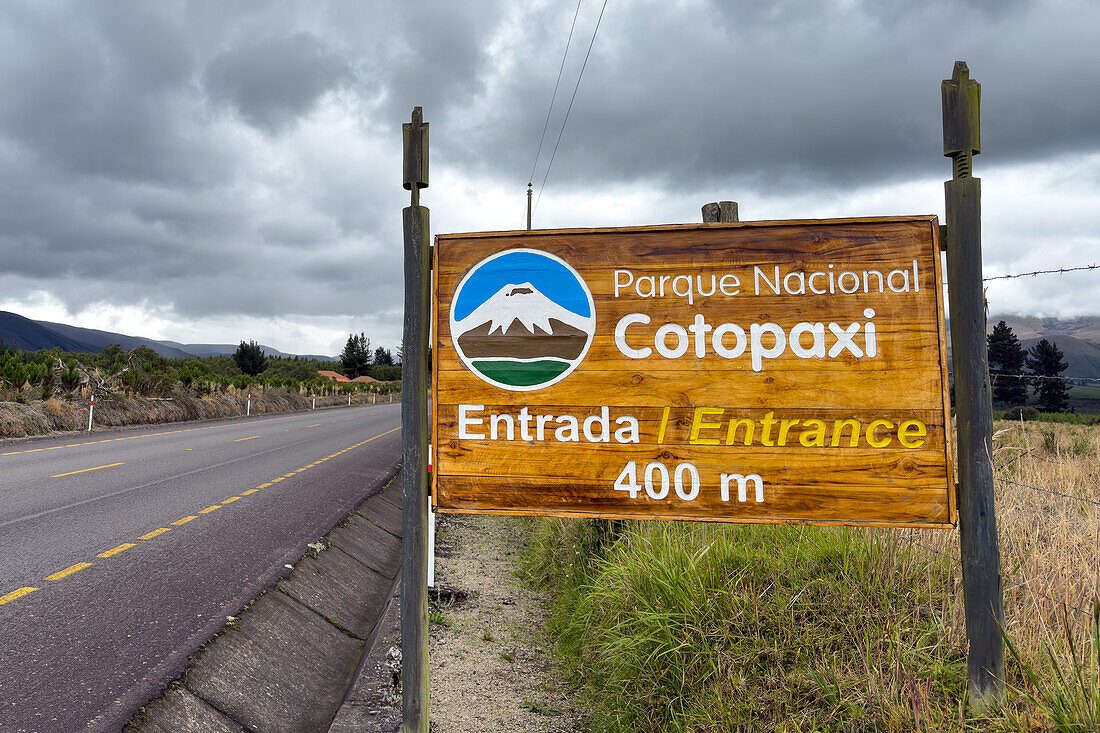
National Park Gateway

National Park Gateway

Best light · Before 10:00

The iconic wooden signage marking the entrance serves as a classic photograph for those securing their cotopaxi national park tour from quito tickets.

Gallery

Moments from Cotopaxi National Park Tour From Quito

Food & drink

Where to Eat Near Cotopaxi: Dining Options for Your Cotopaxi National Park Tour From Quito

Dining options within the park are limited, making a cotopaxi national park tour from quito best served by packing snacks for the high-altitude ascent. While the base offers select lodges, many visitors rely on their tour operator for provisions.

Tambopaxi Lodge

$$$

Lodge Restaurant

Located within the park, this spot provides hearty warm meals with views of the stratovolcano. It serves as a central hub for those requiring a sit-down meal during their cotopaxi national park tour from quito tours.

Customer Reviews

What travelers say about Cotopaxi National Park Tour From Quito

Real experiences from real travelers

4.5
Based on 2,400 reviews
1 ★ 980
2 ★ 820
3 ★ 1450
4 ★ 4100
5 ★ 18200
S
Sofia M.
Ecuador · 2026-07-18

Worth every minute of the drive

We booked a cotopaxi national park tour from quito and left at dawn to catch the clearest views. The páramo landscape felt otherworldly, and our guide explained the volcanic geology as we hiked to the refuge. Winds were strong but the cone was fully visible. Bring warm layers even in summer.

J
James K.
United States · 2026-08-22

Incredible high-altitude experience

The ascent to José Ribas refuge was challenging but manageable for anyone reasonably fit. Our driver navigated the rough roads confidently and we spent nearly an hour at 4800 meters taking in the glacier. Limpiopungo lagoon on the return was peaceful with good bird activity.

M
Mariana P.
Brazil · 2026-06-11

Perfect volcano day trip

This cotopaxi national park tour from quito exceeded expectations. We spotted wild horses near the parking area and the guide gave us time to photograph them without rushing. The volcano was cloud-free until noon, so the early start made sense. Pack snacks and water.

T
Thomas R.
Germany · 2026-05-03

Great views but weather-dependent

Cotopaxi was partially obscured by afternoon clouds but the lower slopes and páramo were still impressive. The refuge hike tested my lungs at that altitude. Guide was knowledgeable about acclimatization. I'd recommend going during dry season for best visibility.

C
Camila S.
Argentina · 2026-08-01

Unforgettable Andean landscape

The scale of Cotopaxi from the access road is hard to capture in photos. We took the full-day tour and it allowed time at multiple viewpoints including the lagoon where we saw Andean gulls. Volcanic sand paths require sturdy footwear.

L
Liam H.
Canada · 2026-07-09

Expertly guided mountain visit

Our guide's explanation of the 1877 eruption and current monitoring added depth to the visual spectacle. The drive from Quito through farming villages and into the national park showed the transition from valley to high plateau. Cold winds at the refuge were intense.

V
Valentina L.
Colombia · 2026-06-25

Stunning páramo ecosystem

A cotopaxi national park tour from quito offers more than just the volcano—the endemic cushion plants and tussock grass are fascinating. We arrived around 9am and had brilliant light on the snow cap. The altitude hit hard so take it slow at the refuge.

O
Oliver T.
United Kingdom · 2026-08-14

Spectacular cone and crater

Clear skies gave us unobstructed views of the symmetrical summit and glaciers. The refuge climb at nearly 5000 meters was the highlight. Our group included families and solo travelers, all managed the trek with rest breaks. Bring sun protection—the UV is fierce.

I
Isabella F.
Spain · 2026-07-29

Memorable Andean excursion

Limpiopungo lagoon was mirror-calm at sunrise, reflecting the entire volcanic profile. We continued to the sandy parking lot and hiked partway up the lower slopes. The guide pointed out viscacha tracks and explained the glacial retreat. Well-organized day trip.

E
Ethan W.
Australia · 2026-08-19

World-class volcano access

Cotopaxi's glacier and crater rim are visible from the refuge trail on clear mornings. The páramo felt vast and untouched, with only a few other tour groups present. Altitude sickness hit one member of our group so hydration and slow ascent are critical.

FAQ

Cotopaxi National Park Tour From Quito — frequently asked questions

Everything you need to know for your journey

Ready for Adventure?

Join thousands of happy travelers who have discovered this incredible experience

Book Your Experience Now